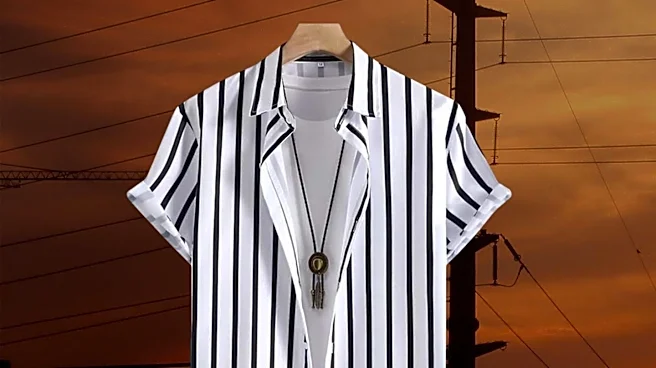









The bolo tie, a distinctive necktie characterized by a cord or braided leather secured with an ornamental clasp and decorative metal tips, has traversed a fascinating path through fashion history. While deeply rooted in American Western culture, its appeal has extended beyond regional boundaries, experiencing periods of popularity in various subcultures and even reaching international markets. This evolution showcases its adaptability and enduring
charm, transforming it from a niche accessory into a recognized, albeit sometimes cyclical, fashion statement.
Early Beginnings and Western American Identity
The origins of the bolo tie are often linked to the American West, where it became widely associated with cowboy and Western attire. Some accounts suggest it emerged as a North American pioneer creation between 1866 and 1886, with historical examples reportedly found in places like a trading post in Zuni Pueblo, New Mexico. However, a more concrete origin story attributes its invention to Victor E. Cedarstaff of Wickenburg, Arizona, in the 1940s. Cedarstaff's patent for a less-slipping clasp in 1954 further refined the design, contributing to its practical appeal and solidifying its place in Western fashion.
The bolo tie's connection to Western riding gear and its popularity in activities like square dancing underscore its functional and cultural integration into the lifestyle of the American West. This strong regional association meant that for many years, the bolo tie was primarily seen as a symbol of Western identity, particularly common in the western areas of the United States.
Transatlantic Journey: The Bootlace Tie in 1950s Britain
Interestingly, the bolo tie found an early and distinct expression across the Atlantic in the United Kingdom during the 1950s. There, it became known as the "bootlace tie" and gained popularity among the Teddy Boys. This youth subculture, known for its distinctive style, adopted the bootlace tie as an accessory worn with their drape suits, demonstrating the tie's versatility and its ability to be reinterpreted within different fashion contexts. This period marked one of the first significant expansions of the bolo tie's cultural reach beyond its American Western roots.
Resurgence and Global Reach in the Late 20th Century
The bolo tie experienced a notable resurgence in the 1980s, driven by rockabilly revivalists and new wavers who embraced its retro and distinctive aesthetic. This period saw the bolo tie re-emerge as a popular fashion accessory, particularly in the fall of 1988, when male Hollywood stars were frequently seen wearing them. Chain stores like Jeanswest and Merry-Go-Round capitalized on this trend, offering a wide variety of bolo ties for different occasions, making them accessible to a broader consumer base.
Beyond the United States, the 1980s and 1990s also witnessed a significant increase in bolo tie sales in Japan, Korea, and China. Many of these ties featured luxurious, handmade cords and unusual tips, catering to an international market. This overseas boom, which skyrocketed post-1970s, was partly attributed to an overflow from the United States after the tie had fallen out of mainstream fashion there in the 1980s. This global spread highlights the bolo tie's journey from a regional American accessory to an item with international appeal, demonstrating its capacity to transcend cultural boundaries and adapt to diverse fashion sensibilities.