



The 1950-51 season marked the Fort Wayne Pistons' third year in the National Basketball Association (NBA) and their tenth as a franchise. This period was characterized by significant player movements, a notable coaching change, and a historic low-scoring game that etched the team into NBA lore. The Pistons navigated a challenging season, ultimately securing a playoff berth and laying groundwork for future team development through strategic transactions.
Early Season Acquisitions and a Historic Game
Before the season officially began, the Pistons made a crucial acquisition on October 5, 1950, by selecting Larry Foust from the Chicago Stags in the dispersal draft. Foust would go on to become an NBA All-Star for the team, indicating the immediate impact of this draft pick. The early part of the season also saw a significant trade on December 19, 1950, when the Pistons sent Bob Harris to the Boston Celtics in exchange for Dick Mehen. These early moves shaped the roster that would compete throughout the season.
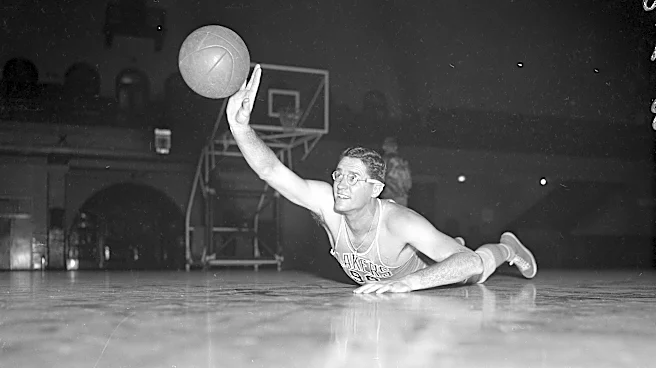
One of the most memorable events of the 1950-51 season occurred on November 22, 1950, in a game against the Minneapolis Lakers. This match became infamous for its incredibly low score, with the Pistons emerging victorious with a 19-18 final score. This game remains the lowest-scoring contest in NBA history, a testament to the defensive-minded play and different pace of the game during that era. This unique event highlighted the team's ability to grind out wins, even in an unconventional manner.
Mid-Season Adjustments and All-Star Recognition
As the season progressed, the Pistons continued to make adjustments to their roster. On January 9, 1951, another transaction took place, though specific details of this move are not provided. These ongoing changes suggest a dynamic approach to team building throughout the season. Despite the various roster shifts, the team's core talent began to shine, with both forward Fred Schaus and center Larry Foust earning recognition as NBA All-Stars. Their individual performances were bright spots in a season that saw the team finish with a 32-36 (.471) record, placing them third in the Western Division.
Playoff Appearance and Post-Season Changes
The Pistons' regular season performance was strong enough to secure a spot in the playoffs. However, their postseason journey was short-lived, as they lost in the division semifinals 2-1 to the Rochester Royals. This playoff exit marked the end of their competitive run for the 1950-51 season. Following the conclusion of the season, significant organizational changes were implemented. On April 10, 1951, the Fort Wayne Pistons hired Paul Birch as their new head coach, signaling a new direction for the team.
Further roster adjustments continued into the offseason. On April 26, 1951, the Pistons traded Bill Sharman to the Boston Celtics for Chuck Share. There is some historical ambiguity regarding whether Bob Brannum was also part of this deal, as some sources suggest he was already sold to Boston on September 23, 1950. Another notable trade occurred on May 31, 1951, when the Tri-Cities Blackhawks traded Frankie Brian to the Fort Wayne Pistons in exchange for Dick Mehen, Howie Schultz, and cash. These post-season transactions illustrate the team's continuous effort to refine its roster and build for future success, even as the 1950-51 season became a part of history.