


In the field of optics, diffusers are essential components that scatter light to create soft, even illumination. These devices have evolved significantly over time, finding applications in various industries, from photography to LED lighting systems. By understanding the principles behind optical diffusers, we can appreciate their impact on modern technology.
Types of Optical Diffusers
Optical diffusers come in various forms, each designed to achieve specific lighting effects.
Common materials used for diffusers include ground glass, Teflon, opal glass, and greyed glass. These materials scatter light in different ways, allowing for a range of applications.
One type of optical diffuser is the perfect reflecting diffuser, which is a theoretical surface with Lambertian reflectance. This means it reflects light uniformly in all directions, maintaining consistent brightness from any angle. While perfect reflecting diffusers are theoretical, they serve as a benchmark for evaluating real-world diffusers.
Another type is the diffractive diffuser, which manipulates monochromatic light using diffraction and refraction principles. These diffusers are often used in LED illumination systems, where they help achieve specific spatial configurations and intensity profiles.
Applications in Photography and Lighting
In photography, diffusers are used to soften the light falling on a subject, reducing harsh shadows and creating a more flattering image. This is particularly important in portrait photography, where soft lighting is often desired. Diffusion filters can be placed in front of a camera's flash or studio lights to achieve this effect.
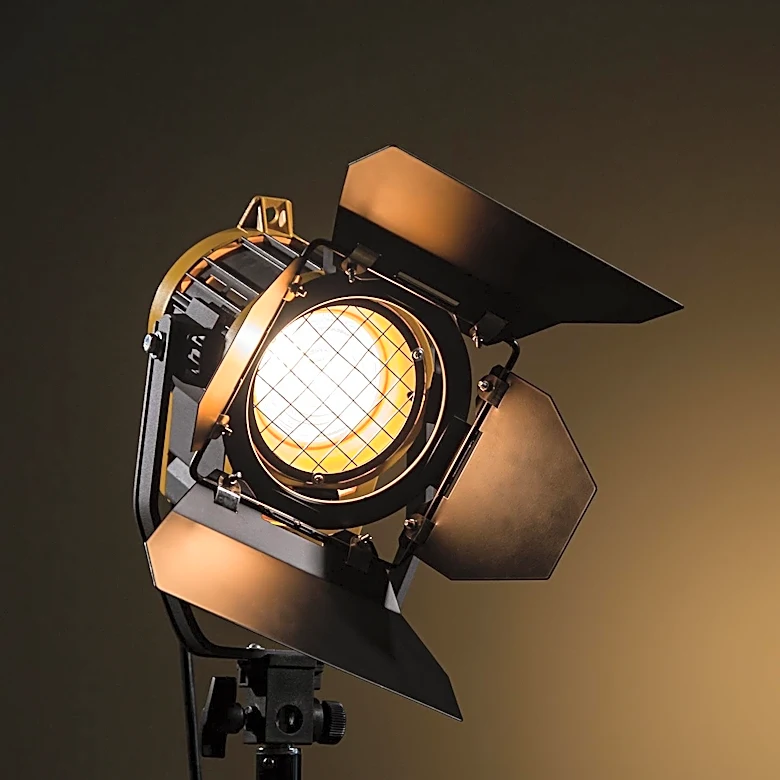
In stage and film lighting, diffusion gels are used to modify the light from spotlights and other sources. These gels help create a more even distribution of light, enhancing the visual quality of a scene. Reflecting diffusers, commonly known as reflectors, are also used to bounce light onto a subject, further softening the illumination.
Innovations in LED Lighting
The rise of LED technology has led to new innovations in diffuser design. LED diffusers are often made from materials like gallium nitride or fused silica, which are processed to have rough surfaces that scatter light effectively. These diffusers are crucial in creating uniform lighting in LED systems, which are used in everything from household lighting to commercial displays.
As optical technology continues to advance, the role of diffusers in creating high-quality lighting solutions remains vital. By understanding the principles and applications of optical diffusers, we can better appreciate their contribution to modern lighting and imaging technologies.