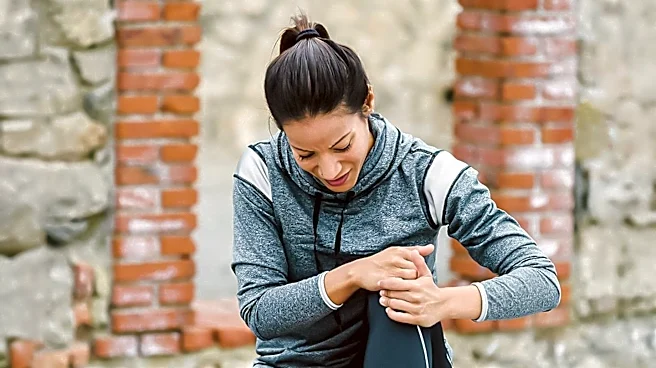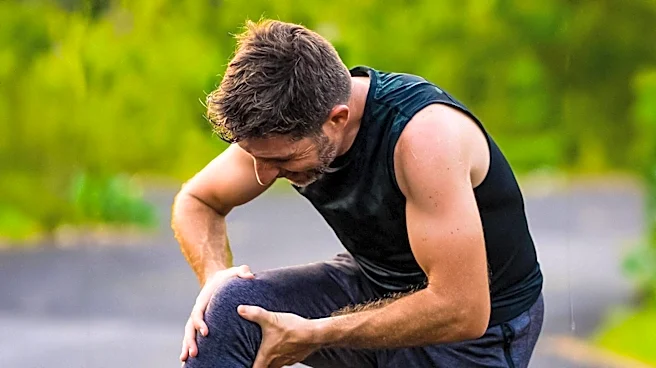








Patellar tendinitis, commonly known as jumper's knee, is a prevalent overuse injury affecting the tendon responsible for straightening the knee. This condition primarily manifests as pain in the front of the knee, typically localized to the lower part of the kneecap, though the upper region can also be affected. A key characteristic is that pain is generally absent when the individual is at rest, only emerging during activity. While often associated
with athletes, understanding the mechanisms and risk factors behind jumper's knee is crucial for both prevention and management.
The Nature of an Overuse Injury
Jumper's knee is fundamentally an overuse injury, stemming from repetitive overloading or stress on the patellar tendon. This continuous strain leads to microtears and inflammation within the tendon. The critical issue is that these micro-injuries do not have sufficient time to heal before the tendon is subjected to further stress, perpetuating a cycle of damage and inflammation. This makes it particularly common in activities that involve frequent, high-impact movements that stress the knee's extensor mechanism.The repetitive nature of certain sports makes athletes particularly susceptible. Activities that involve a lot of jumping, such as basketball and volleyball, are frequently linked to patellar tendinitis. Additionally, sports requiring rapid changes in direction or extensive running can also contribute to the development of this condition. The constant demand placed on the patellar tendon in these activities exceeds its capacity for repair, leading to the symptomatic pain and tenderness.
Identifying Risk Factors for Patellar Tendinitis
Several factors can increase an individual's risk of developing patellar tendinitis. Beyond participation in jumping sports, general risk factors include being overweight. Specific biomechanical issues also play a significant role. For instance, low ankle dorsiflexion, which refers to stiff ankles, can alter the mechanics of the leg and place increased stress on the knee. Similarly, a history of ankle sprains can contribute to altered gait and loading patterns.Muscle imbalances and tightness are also key contributors. Weak gluteal muscles can lead to compensatory movements that overload the patellar tendon. Furthermore, tightness in various muscle groups, including the calves, quadriceps, and hamstrings, can restrict normal joint movement and increase strain on the knee joint and its tendons. These factors collectively create an environment where the patellar tendon is more vulnerable to the repetitive microtrauma that characterizes jumper's knee.