






Fashion in the Victorian era was not just about personal style; it was a powerful indicator of social class. The clothing people wore during this time reflected their social status and played a significant role in reinforcing class distinctions. From the materials used to the complexity of the designs, fashion was a visual representation of one's place in society, with clear differences between the upper, middle, and working classes.
Upper-Class Elegance
For the upper
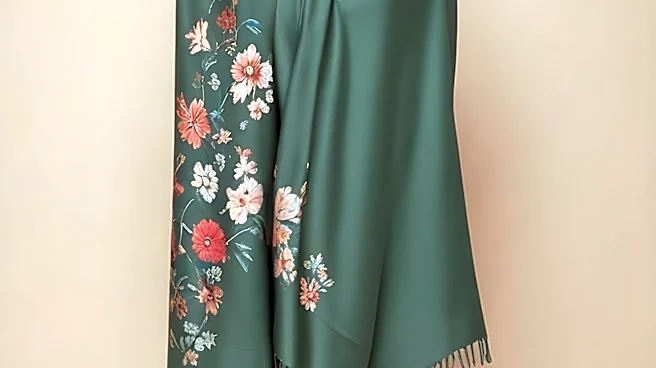
class, fashion was a means of displaying wealth and status. The clothing worn by upper-class women was often elaborate and made from expensive materials such as silk and velvet. These garments were adorned with intricate embroidery, lace, and other embellishments, showcasing the wearer's affluence.
Upper-class women typically wore tightly-fitted corsets that emphasized an hourglass figure, paired with voluminous skirts supported by crinolines or bustles. The complexity and weight of these garments were not just about aesthetics; they also signified that the wearer did not need to engage in physical labor. The ability to wear such impractical clothing was a luxury that only the wealthy could afford.
Middle-Class Imitation
The middle class, which grew significantly during the Victorian era, often sought to emulate the fashion of the upper class. Middle-class women wore similar styles, but their clothing was made from less expensive materials and featured fewer embellishments. The rise of mass production and department stores made it possible for middle-class individuals to access fashionable clothing at a lower cost.
Despite these similarities, there were still clear distinctions between middle and upper-class fashion. The quality of the fabric, the intricacy of the designs, and the number of layers in a garment all served as indicators of social status. Middle-class fashion was about balancing the desire to appear affluent with the practicalities of a more modest income.
Working-Class Simplicity
In contrast, working-class fashion was characterized by simplicity and practicality. Working-class women wore clothing made from durable, inexpensive materials that could withstand the demands of physical labor. These garments were often plain and lacked the decorative elements seen in upper and middle-class fashion.
The working class had little choice but to prioritize functionality over style, as their clothing needed to be suitable for work. The stark differences in fashion between the working class and the wealthier classes highlighted the social and economic divides of the time. Fashion served as a visual reminder of one's place in the social hierarchy, reinforcing the class distinctions that defined Victorian society.