






The flexor digiti minimi brevis is a specialized muscle located in the hand, specifically within the hypothenar muscle group. This muscle plays a crucial role in the movement of the little finger, also known as digit V. Its primary action is to flex the little finger at the metacarpophalangeal joint, allowing for precise and controlled movements. Understanding its structure and relationships with other muscles provides insight into the intricate mechanics
of the human hand.
Anatomical Location and Origin
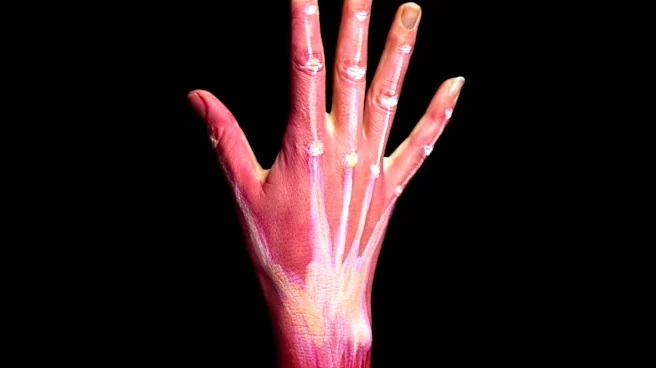
This muscle is situated in the hypothenar eminence, which is the fleshy mass found at the base of the little finger. It lies lateral to the abductor digiti minimi when the hand is in the anatomical position. The flexor digiti minimi brevis originates from two distinct points: the hook of the hamate bone and the palmar surface of the flexor retinaculum of the hand. These origins provide a stable base for the muscle's action.
From its origin, the muscle extends to its insertion point. It is inserted into the medial side of the base of the proximal phalanx of digit V. This specific insertion allows it to exert leverage directly on the little finger, facilitating its flexion. The muscle's position and attachments are critical for its function in hand dexterity.
Part of the Hypothenar Muscle Group
The flexor digiti minimi brevis is one of three muscles that constitute the hypothenar muscle group. These three muscles work in concert to control the movements of the little finger. The other two muscles in this group are the abductor digiti minimi and the opponens digiti minimi. Together, they form the prominent fleshy mass at the base of the little finger, which is essential for gripping and fine motor skills.
In anatomical position, the arrangement of these muscles from medial to lateral is the abductor digiti minimi, followed by the flexor digiti minimi brevis, and then the opponens digiti minimi. This precise arrangement allows for their coordinated actions. The hypothenar muscles are solely concerned with the movement of digit V, highlighting their specialized role in hand function.
Innervation and Variations
The flexor digiti minimi brevis receives its nerve supply from the deep branch of the ulnar nerve. This innervation is vital for the muscle to contract and perform its function. The ulnar artery also supplies blood to this muscle, ensuring it receives the necessary nutrients and oxygen for its metabolic activities. The proper functioning of both nerve and blood supply is essential for the health and performance of the muscle.
Interestingly, the flexor digiti minimi brevis is not always present in every individual. In cases where this muscle is absent, the abductor digiti minimi muscle is typically observed to be larger than normal. This suggests a compensatory mechanism, where the abductor digiti minimi may take on some of the functions usually performed by the flexor digiti minimi brevis, ensuring that the little finger's movements are still adequately supported.