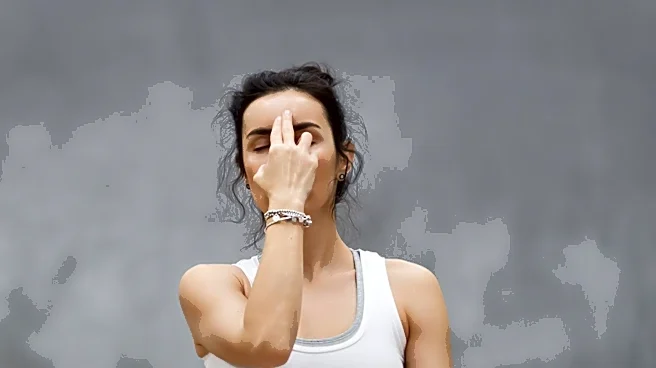







The Buteyko method is a breathing technique developed to address respiratory conditions such as asthma and chronic hyperventilation. While it has gained a following among those seeking alternative treatments, the method remains controversial due to limited scientific support. This article explores the techniques involved in the Buteyko method and the claims made by its advocates.
Techniques of the Buteyko Method
At the core of the Buteyko method are a series of breathing exercises
designed to reduce hyperventilation and promote shallower, slower breathing. The method emphasizes nasal breathing, breath-holding, and relaxation. These exercises aim to correct the chronically increased respiratory rate that Buteyko believed exacerbated medical conditions like asthma.
The exercises typically involve controlled breathing patterns that encourage the use of the diaphragm rather than the chest. By focusing on nasal breathing, the method seeks to improve the efficiency of oxygen exchange and reduce the tendency to over-breathe. Breath-holding exercises are also incorporated to help individuals become more aware of their breathing patterns and to train the body to tolerate higher levels of carbon dioxide.
Claims and Controversies
Advocates of the Buteyko method claim that it can alleviate symptoms and reduce reliance on medication for patients with asthma, chronic obstructive pulmonary disease (COPD), and chronic hyperventilation. They argue that by addressing the root cause of these conditions—hyperventilation—the method offers a natural and effective treatment option.
However, the medical community remains skeptical of these claims. Critics point to the limited and inadequate evidence supporting the theory and efficacy of the Buteyko method. While some studies have shown positive outcomes, they are often criticized for their methodological weaknesses and lack of rigorous scientific validation. As a result, the method is often categorized as pseudoscience by its detractors.
The Ongoing Debate
The debate over the Buteyko method highlights the broader tension between conventional medical practices and alternative therapies. While some individuals report significant improvements in their respiratory health after adopting the method, others remain unconvinced of its benefits. The lack of consensus within the medical community underscores the need for further research and clinical trials to evaluate the method's effectiveness.
Despite the controversy, the Buteyko method continues to attract interest from those seeking non-pharmaceutical approaches to managing their respiratory conditions. As research into the method progresses, it remains to be seen whether it will gain wider acceptance or continue to be viewed with skepticism. For now, the Buteyko method stands as a testament to the enduring appeal of alternative health practices.