







The gluteus maximus is a remarkable muscle, known for being the largest in the human body. Located in the buttocks, it plays a crucial role in various movements and postures. This article delves into the anatomy and primary functions of the gluteus maximus, highlighting its importance in human mobility and stability.
Structure of the Gluteus Maximus
The gluteus maximus is the most superficial of the three gluteal muscles, which also include the gluteus medius and gluteus minimus.
It is a thick, fleshy muscle with a quadrilateral shape, forming the prominent contour of the buttocks. The muscle originates from several points, including the posterior gluteal line of the ilium, the sacrum, and the coccyx. It also connects to the iliac crest and the fascia covering the gluteus medius.
The fibers of the gluteus maximus are directed obliquely downward and laterally, converging into a thick tendinous lamina. This structure allows the muscle to insert into the iliotibial band of the fascia lata and the gluteal tuberosity of the femur. The arrangement of these fibers and their connections enable the gluteus maximus to perform its functions effectively.
Primary Functions
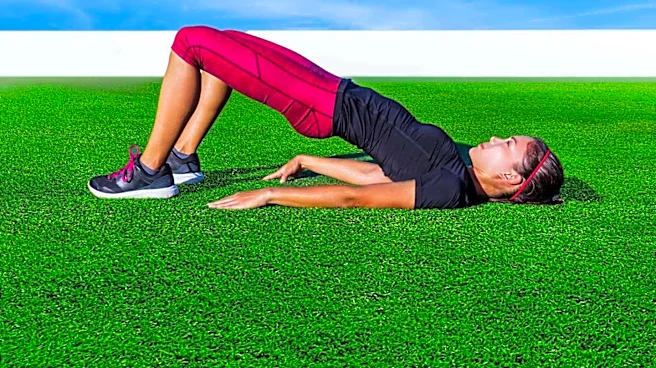
The gluteus maximus is primarily responsible for extending the hip joint. This function is crucial when the leg is flexed at the hip, as the muscle works to bring the leg into alignment with the body. It also plays a significant role in maintaining the trunk in an erect posture, a feature that distinguishes humans from other primates.
In addition to hip extension, the gluteus maximus assists in lateral rotation and abduction of the hip joint. The muscle's lower fibers act as adductors and external rotators of the limb, while the upper fibers contribute to hip abduction. These actions are essential for various movements, including standing, walking, and running.
Role in Movement and Stability
The gluteus maximus is particularly active during activities that require powerful hip extension, such as running and climbing. It helps control trunk flexion and decelerates the swing leg during running, contributing to overall stability and balance. During standing, the muscle acts as a tensor of the fascia lata, stabilizing the femur on the tibia.
While the gluteus maximus is not heavily involved in walking, its enlargement is thought to have evolved to support running and other dynamic activities. This adaptation highlights the muscle's importance in human evolution, providing the ability to perform complex movements with stability and efficiency.