





Sunscreen is more than just a tool to prevent sunburn; it plays a crucial role in reducing the risk of skin cancer. With skin cancer being one of the most common types of cancer, understanding how sunscreen contributes to its prevention is vital. By blocking harmful UV radiation, sunscreen helps protect skin cells from damage that can lead to cancerous changes.
The Science Behind Sunscreen and UV Protection
Sunscreen works by incorporating active ingredients that either absorb or reflect UV radiation.
Organic compounds like oxybenzone absorb UV rays, while inorganic compounds such as zinc oxide reflect them. This dual action prevents UV radiation from penetrating the skin and causing direct DNA damage, which is a precursor to skin cancer.
Broad-spectrum sunscreens are particularly effective as they protect against both UVA and UVB rays. UVA rays penetrate deeper into the skin and contribute to premature aging and skin cancer, while UVB rays are primarily responsible for sunburn. By offering protection against both types of radiation, broad-spectrum sunscreens provide comprehensive defense against skin damage.
Recommendations for Effective Sunscreen Use
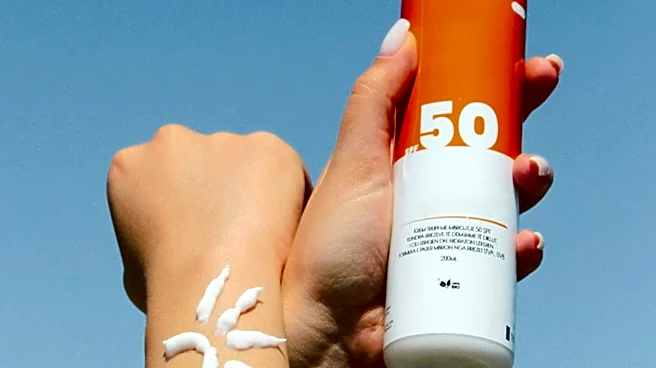
To maximize the protective benefits of sunscreen, it is essential to apply it correctly. Dermatologists recommend using a sunscreen with an SPF of 30 or higher and applying it generously to all exposed skin. The FDA suggests using about 35 ml (approximately 1 oz) for the entire body, ensuring thorough coverage.
Reapplication is crucial, especially after swimming or sweating, as water and perspiration can reduce the effectiveness of sunscreen. Paying special attention to areas like the ears and nose, which are common sites for skin cancer, can further enhance protection. Despite concerns about vitamin D deficiency, typical sunscreen use does not significantly impact vitamin D levels.
Regulatory and Environmental Considerations
In the United States, sunscreen is regulated as an over-the-counter drug, ensuring that products meet stringent safety and efficacy standards. The FDA has proposed regulations to improve sun protection and safety, including requirements for broad-spectrum protection and prohibitions on misleading claims like "waterproof."
Environmental concerns have led to bans on certain sunscreen ingredients that harm marine life, such as oxybenzone and octinoxate. These bans highlight the need for environmentally friendly formulations that protect both human health and the ecosystem.
Sunscreen is a vital tool in the fight against skin cancer, offering protection against harmful UV radiation. By understanding its role and using it effectively, individuals can significantly reduce their risk of developing skin cancer, contributing to healthier skin and overall well-being.