
Goldwyn Pictures Corporation, though it operated for less than a decade from 1916 to 1924, left an indelible mark on the American motion picture industry. Its story is not just one of an independent production
company, but a crucial chapter in the genesis of one of Hollywood's most legendary studios, Metro-Goldwyn-Mayer (MGM). The company's innovations, its strategic acquisitions, and even its challenges ultimately contributed to the landscape of early cinema and established elements that would become synonymous with Hollywood's Golden Age. From its iconic logo to its physical studio space, Goldwyn Pictures' influence extended far beyond its relatively short lifespan.
The Birth of an Icon: Leo the Lion
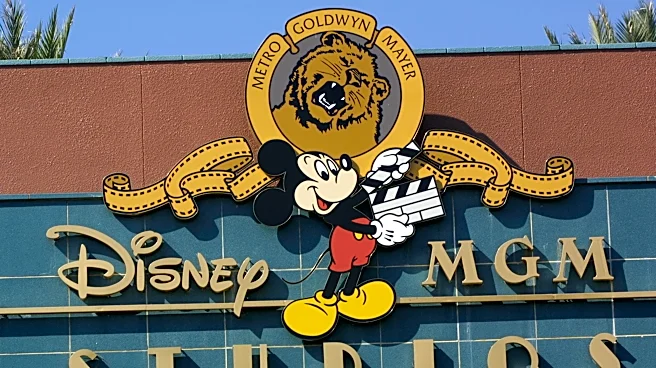
Perhaps the most enduring symbol of Goldwyn Pictures' legacy is the iconic Leo the Lion trademark. While the studio itself was moderately successful during its operational years, it became most famous for this distinctive logo. When Goldwyn Pictures merged with Metro Pictures Corporation and Louis B. Mayer Productions, Inc. in 1924 to form Metro-Goldwyn-Mayer, the newly formed powerhouse studio chose to retain Goldwyn's Leo the Lion logo. This decision cemented the lion's place in cinematic history, making it one of the most recognizable symbols in film. The roar of Leo the Lion became a prelude to countless classic films, a direct inheritance from the original Goldwyn Pictures Corporation, ensuring its visual identity lived on for decades.
The Culver City Studio: A Lasting Home
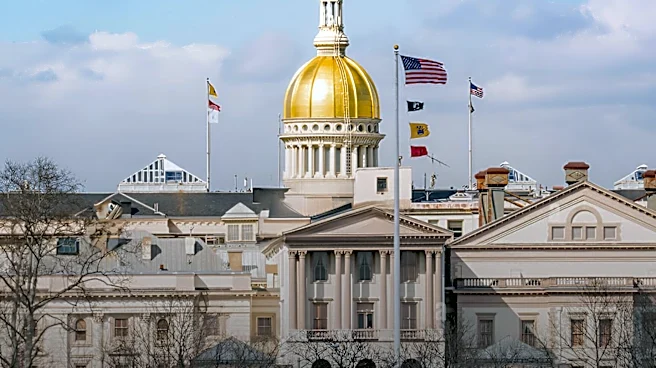
Beyond the logo, Goldwyn Pictures also provided the physical foundation for the future MGM. In 1918, Goldwyn Pictures made a significant strategic move by purchasing the Triangle Studios in Culver City, California. This acquisition marked a westward expansion for the company, which had initially been headquartered in Fort Lee, New Jersey. Samuel Goldfish, who would soon legally change his name to Samuel Goldwyn, moved west to oversee operations there. This Culver City facility became the operational heart of Goldwyn Pictures. When the merger occurred in 1924, forming Metro-Goldwyn-Mayer, the new studio inherited Goldwyn's old facility in Culver City. This studio complex would serve as the primary headquarters for MGM for over six decades, remaining its home until 1986. The physical infrastructure established by Goldwyn Pictures thus became the bedrock for a major Hollywood studio, hosting the production of countless classic films.
Pioneering Efforts and Industry Evolution
Goldwyn Pictures was also a participant in the dynamic and often experimental early years of the film industry. Founded by Samuel Goldfish, an executive from Lasky's Feature Play Company, and Broadway producers Edgar and Archibald Selwyn, the company brought together diverse talents. Its early efforts included adapting stage plays like "Polly of the Circus" and collaborating with figures like playwright Margaret Mayo and Broadway producer Arthur Hopkins. The company's association with Columbia University's Photoplay Writing class in 1917 demonstrated an early attempt to elevate the artistic standing of film. Goldwyn Pictures also navigated the challenges of early film production, including censorship issues, as seen when "The Eternal Magalene" was replaced by "Fighting Odds" due to state and city censors.
Furthermore, Goldwyn Pictures' journey reflects the broader trends of consolidation in the early film industry. Samuel Goldwyn himself explored vertical integration, a strategy aimed at controlling production, distribution, and exhibition, by looking into theater rentals and partnerships. The eventual merger that created MGM was a culmination of these industry-wide forces, where smaller entities combined to form larger, more powerful studios. Although Samuel Goldwyn departed the company in 1922 before the final merger, the groundwork laid by Goldwyn Pictures, its assets, and its brand elements were instrumental in shaping the future of Metro-Goldwyn-Mayer, ensuring its legacy as a foundational pillar of Hollywood.