
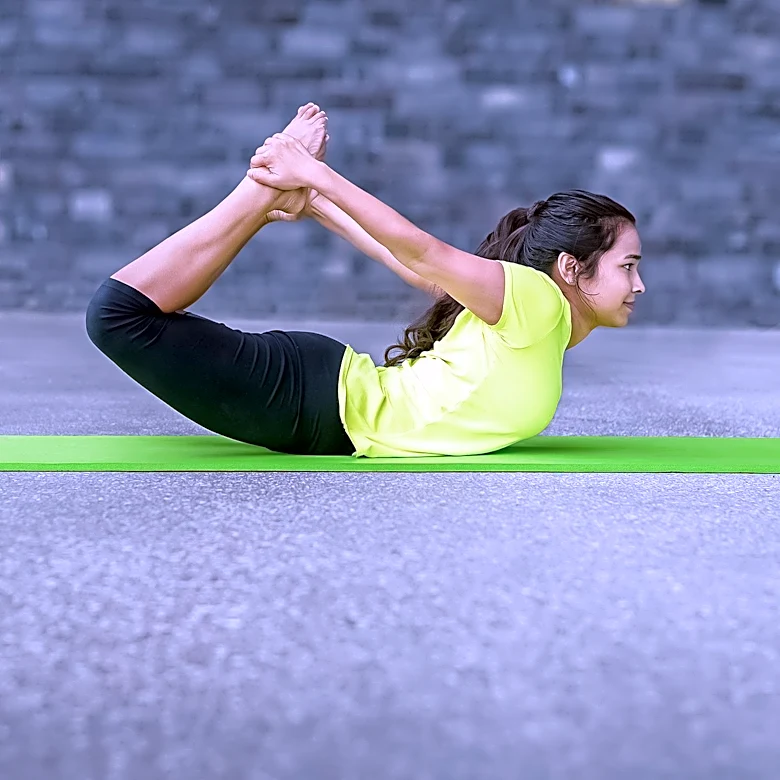

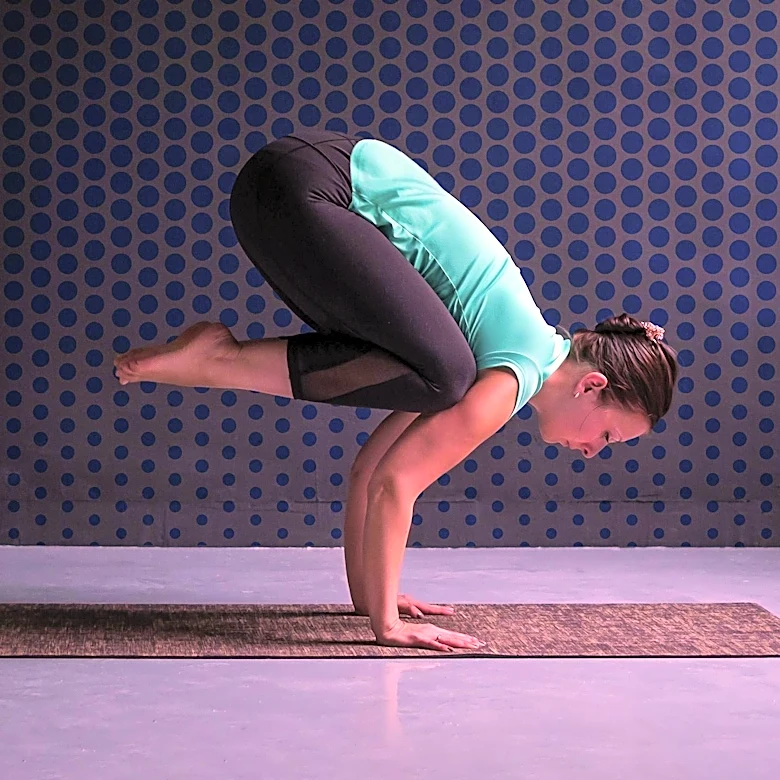


Bhekasana, commonly known as the "frog pose," is a yoga asana that finds its place within the reclining category of yoga postures. This particular pose is recognized across various linguistic versions of Wikipedia, indicating its widespread acknowledgment in the practice of yoga. The term "asana" itself is a general descriptor for poses in yoga practice, originating from the Sanskrit word "asanam," which translates to pose, sitting, or body position.
According to Patanjali, an asana is defined as a body position that is comfortable and pleasant. While Patanjali's era saw the use of only 11 asanas for strengthening the body and four meditative asanas, the modern landscape of yoga features a much broader array of poses, including Bhekasana.
The Classification of Bhekasana
Bhekasana is consistently categorized as a reclining pose. This classification is evident in multiple Wikipedia entries. For instance, the Spanish Wikipedia lists Bhekasana under the category "Reclinada," which directly translates to "reclining." Similarly, the Ukrainian Wikipedia identifies it with the term "поза жаби" (poza zhabi), meaning "frog pose," and places it within a list of asanas that includes other well-known postures. The English Wikipedia templates also categorize Bhekasana under "Reclining," alongside other poses such as Anantasana and Matsyasana, further solidifying its classification.
This consistent categorization across different languages and platforms highlights a shared understanding of Bhekasana's fundamental nature as a pose performed while lying down. The reclining aspect often implies a focus on opening the hips, stretching the quadriceps, and potentially engaging the lower back, depending on the specific variations and intentions of the practitioner. The "frog" descriptor likely comes from the shape the body takes, resembling a frog at rest or preparing to leap, with the knees bent and spread wide.
Naming Conventions and Linguistic Variations
The naming of yoga asanas, including Bhekasana, often involves Sanskrit terms, and these names can vary slightly or be translated differently across various schools and languages. The Ukrainian Wikipedia, for example, explicitly translates Bhekasana as "поза жаби," directly meaning "frog pose." This direct translation helps practitioners understand the visual or thematic inspiration behind the pose, even if they are not familiar with the Sanskrit root.
Many asanas incorporate Sanskrit words as affixes, contributing to their descriptive names. While the unity in names for modern poses is limited due to the existence of numerous competing yoga schools, Bhekasana's core identity as the "frog pose" remains consistent. Different authors or yoga schools might use slightly different names for the same asanas, but the essence of Bhekasana as a reclining frog-like posture is generally maintained. This consistency in the core concept, despite linguistic and stylistic variations, underscores the pose's recognizable form and function within the global yoga community.
Bhekasana in the Context of Other Asanas
When examining lists of asanas, Bhekasana is often found alongside a diverse range of other postures, each with its unique characteristics and benefits. For example, the Ukrainian Wikipedia lists Bhekasana near other poses like Ardha Baddha Parivritta Malasana (bound garland pose), Bhujangasana (cobra pose), and Bhujapidasana (shoulder pressing pose). This placement within broader lists of asanas demonstrates its integration into comprehensive yoga practices.
The English Wikipedia templates, by grouping Bhekasana with Anantasana and Matsyasana under the "Reclining" category, further illustrate how it fits into a structured system of yoga postures. Anantasana, also known as Vishnu's Couch Pose, is a side-reclining pose, while Matsyasana, the Fish Pose, is a supine backbend. The inclusion of Bhekasana among these diverse reclining poses suggests that it contributes to a well-rounded practice that addresses different areas of the body and offers varied physical benefits, all while maintaining the foundational element of being performed in a reclining position.