





Panna cotta, a beloved Italian dessert, is known for its creamy texture and delicate flavors. Despite its modern popularity, the origins of panna cotta are somewhat shrouded in mystery. This article delves into the historical development of panna cotta, tracing its roots and evolution over time.
Early Mentions and Origins
The name panna cotta, which translates to "cooked cream" in Italian, was not found in Italian cookbooks until the 1960s. However, it is often cited as a traditional
dessert from the Piedmont region in northern Italy. One unverified story suggests that a Hungarian woman in the Langhe area invented the dessert in the early 19th century. This tale, while intriguing, remains unconfirmed and adds to the mystique surrounding the dessert's origins.
Interestingly, an 1879 dictionary mentions a dish called "latte inglese" or "English milk," which was made of cream cooked with gelatin and molded. This dish bears a resemblance to panna cotta, although some sources suggest that latte inglese was made with egg yolks, similar to crème anglaise. This indicates that the concept of a thickened, molded cream dessert has been around for quite some time, even if the exact origins of panna cotta remain elusive.
French Influence and Regional Recognition
The dish might also have connections to the French recipe of fromage bavarois, as described by Marie-Antoine Carême in "Le Pâtissier Royal Parisien." This recipe is similar to modern panna cotta, with the addition of whipped cream to the mixture before adding gelatin. This French influence suggests a cross-cultural exchange of culinary ideas, which may have contributed to the development of panna cotta as we know it today.
In 2001, the Piedmont region officially recognized panna cotta as a traditional food product. The traditional recipe includes cream, milk, sugar, vanilla, gelatin, rum, and marsala, poured into a mold with caramel. This official recognition highlights the dessert's cultural significance and its deep roots in the region's culinary heritage.
Modern Popularity and Variations
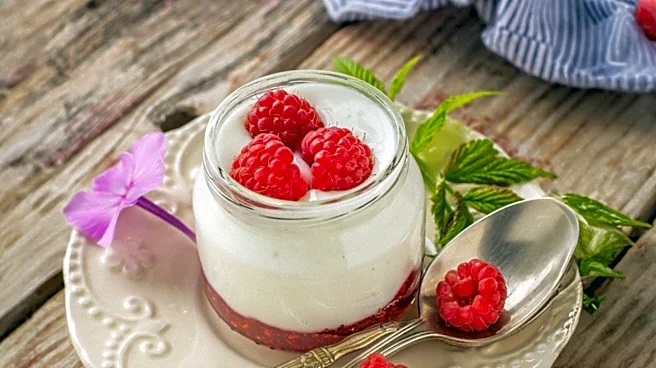
Panna cotta gained popularity in the United States during the 1990s, becoming a fashionable dessert choice. Its simplicity and versatility have made it a favorite among chefs and home cooks alike. While the traditional flavorings include vanilla and caramel, modern variations often incorporate coffee, fruit, or other flavors to suit contemporary tastes.
The dessert's adaptability and elegant presentation have ensured its place in the pantheon of classic Italian desserts. Whether served plain or with a variety of garnishes, panna cotta continues to delight dessert lovers around the world, maintaining its status as a timeless culinary creation.