




The Boston Garden, an iconic multi-use stadium in Boston, Massachusetts, opened its doors on November 17, 1928. Originally conceived by boxing promoter Tex Rickard, who also built the third Madison Square Garden in New York, the arena was initially named "Boston Madison Square Garden." However, its name was eventually shortened to simply Boston Garden, a name that would endure for decades, outlasting its original New York namesake by thirty years.
This venue became a cornerstone of Boston's sports and entertainment scene for nearly seven decades, hosting a wide array of events and serving as the home for several professional sports teams.
Early Days and Ownership
From its inception, the Boston Garden was designed to be a versatile space. Its primary owner until 1965 was the Boston and Maine Corporation. The arena was strategically located atop North Station, a significant train hub for both MBTA and Amtrak services, making it easily accessible to a broad audience. While it gained fame as a sports arena, its design was initially influenced by boxing, with seating arranged to bring spectators close to the action, a feature that would later benefit other sports.This proximity of spectators to the playing surface created an intense atmosphere, particularly during hockey and basketball games. Unlike many larger, more sprawling venues, the Boston Garden's compact design meant that fans were often closer to the players than in numerous other sports facilities. This characteristic was believed to enhance the home team's advantage, contributing to the arena's legendary reputation as a difficult place for visiting teams to play.
Home to Champions
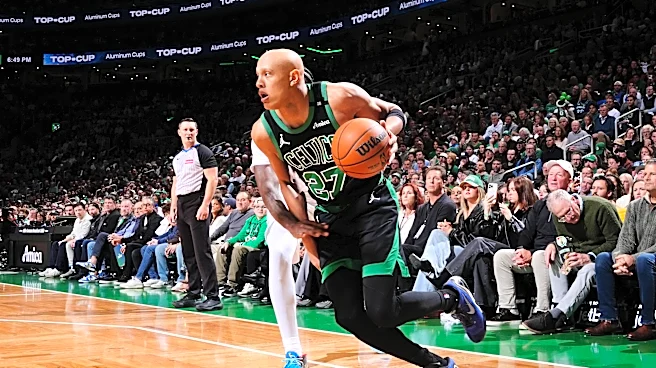
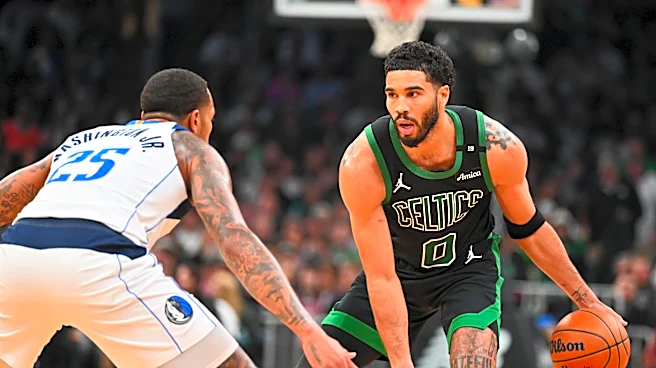
The Boston Garden was most famously the home of the Boston Bruins of the National Hockey League (NHL) from 1928 to 1995 and the Boston Celtics of the National Basketball Association (NBA) from 1946 to 1995. These teams achieved significant success within its walls. The Celtics, in particular, built a formidable home-court advantage, especially during the 1980s. During the 1985-1986 NBA season, the Celtics achieved an impressive home record of 40 wins against only 1 loss. They continued this dominance in the following season, posting 39 wins and 2 losses at home.Beyond professional sports, the Garden hosted a diverse range of events. It was a venue for rock concerts, circuses, ice shows, and amateur sporting events. Political rallies also took place there, including a notable speech by John F. Kennedy in November 1960. The arena's ability to accommodate such a variety of events underscored its importance as a central gathering place for the city of Boston.
The End of an Era
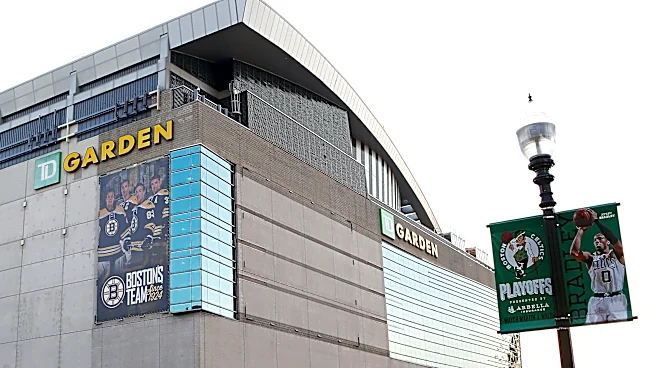
As the years passed, the Boston Garden began to show its age. By the early 1990s, its limitations became increasingly apparent. With a seating capacity of under 15,000, it was the smallest arena in both the NBA and NHL. The facility lacked modern amenities, including air conditioning, which sometimes led to uncomfortable conditions, such as significant heat during games. The seating was often described as cramped and outdated, and structural columns occasionally obstructed views of the playing surface. Furthermore, the absence of luxury boxes and suites, which had become crucial revenue streams for sports teams, highlighted its obsolescence.Planning for a successor began in 1991, and construction for a new multi-purpose arena, designed to hold up to 20,000 spectators, commenced on April 29, 1993. The Boston Garden was eventually demolished in 1998, a few years after its replacement, the FleetCenter (now known as TD Garden), opened. The last official game played at the Boston Garden was on May 14, 1995, an NHL playoff game where the Bruins lost to the Philadelphia Flyers. The very last game was an NHL preseason match between the Bruins and the Montreal Canadiens on September 28, 1995, marking the final curtain call for a venue that had witnessed countless historic moments.