






The 24 Hours of Le Mans is one of the most iconic endurance races in the world, held annually in France. Known for its grueling test of speed, endurance, and strategy, this race has become a symbol of excellence in motorsport. This article explores the significance of the 24 Hours of Le Mans and its impact on French motorsport.
A Historic Race
The 24 Hours of Le Mans is steeped in history, having been first held in 1923. Over the years, it has grown to become one
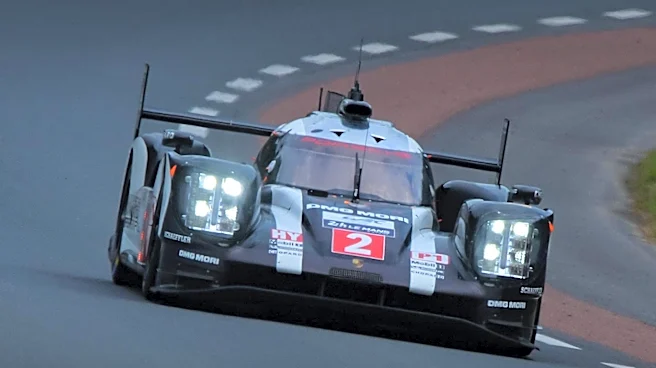
of the most prestigious events in the motorsport calendar. The race is unique in its format, challenging teams to cover the greatest distance in a 24-hour period. This demands not only speed but also reliability and teamwork, as drivers and their teams must navigate the complexities of night racing and variable weather conditions.
The race takes place on the Circuit de la Sarthe, a combination of public roads and dedicated racing track. This setting adds to the challenge, as drivers must adapt to different surfaces and conditions. The 24 Hours of Le Mans is not just a test of machines but also of human endurance and skill, making it a true spectacle of motorsport.
Impact on French Motorsport
The 24 Hours of Le Mans holds a special place in French motorsport, serving as a showcase for the country's automotive engineering prowess. French manufacturers and teams have historically performed well in the race, using it as a platform to demonstrate their capabilities on an international stage. This has helped to elevate the status of French motorsport and attract global attention.
The race also plays a significant role in the local economy, drawing thousands of spectators and participants to the region each year. This influx of visitors provides a boost to local businesses and helps to promote the area as a destination for motorsport enthusiasts. The 24 Hours of Le Mans is more than just a race; it is a cultural event that brings people together and celebrates the spirit of competition.
A Legacy of Innovation
Innovation is at the heart of the 24 Hours of Le Mans, with manufacturers using the race as a testing ground for new technologies. Over the years, the race has seen the introduction of advancements in aerodynamics, fuel efficiency, and hybrid technology. These innovations often find their way into consumer vehicles, highlighting the race's influence beyond the track.
The 24 Hours of Le Mans continues to inspire and challenge the motorsport community, pushing the boundaries of what is possible. Its legacy of innovation and excellence ensures that it remains a cornerstone of French motorsport, celebrated by fans and participants alike.