






Laos, officially known as the Lao People's Democratic Republic, is a unique political entity in Southeast Asia. As the only landlocked country in the region, it has developed a distinct political system characterized by its communist governance. This article delves into the political structure of Laos, focusing on its communist framework and the roles of various state organs.
The Role of the Lao People's Revolutionary Party
At the heart of Laos's political system is the Lao People's Revolutionary
Party (LPRP), which holds a legal monopoly on state power. The LPRP is the founding and ruling party of the Lao People's Democratic Republic, and its influence permeates every aspect of governance. The party's organizational principle of democratic centralism ensures that all party members in state organs implement the decisions of the Central Committee. This centralized control is further cemented by populating every state organ, bureaucracy, and the Lao People's Armed Forces with party members.
The highest organ of the LPRP is the party congress, which convenes at least every five years. During these sessions, the congress elects members of the Central Committee, which in turn elects the Politburo, the Secretariat, and other leading organs. The general secretary of the LPRP Central Committee leads the Politburo and co-leads the Secretariat, ensuring that the party's policies are implemented across the state.
The National Assembly: Embodiment of Popular Sovereignty
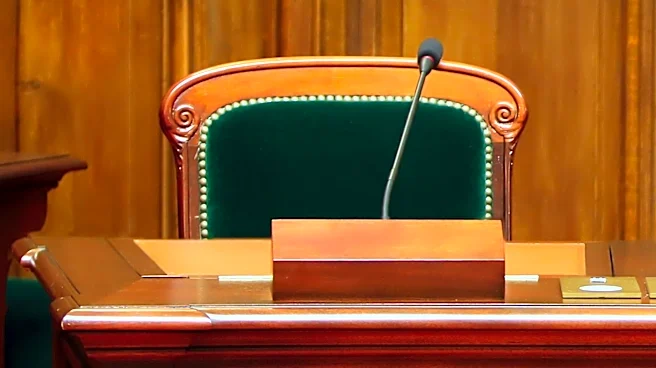
The National Assembly of Laos is the supreme state organ of power, formally holding the unified powers of the state. It is considered the embodiment of popular sovereignty, as it is elected through a process where candidates are vetted by the National Election Committee. The National Assembly is responsible for adopting and amending the constitution, laws, and legislation, and it plays a crucial role in shaping the country's socio-economic development plans.
The National Assembly is not a permanent organ; between its sessions, it is led by its Standing Committee. This committee oversees the implementation of the National Assembly's decisions and ensures that all state organs remain accountable to it. The National Assembly also has the authority to rescind legislation issued by other state organs if it conflicts with adopted laws or the constitution.
The Executive and Judicial Branches
The president of Laos serves as the head of state and is concurrently the general secretary of the LPRP. The president has the power to promulgate the constitution and laws, issue edicts and decrees, and oversee the appointment of key government officials. The government, led by the prime minister, is the supreme executive and administrative organ of state power, responsible for leading state economic policy and administering the Laotian state.
Laos has two main judicial organs: the People's Supreme Court and the People's Supreme Procuratorate. These organs are tasked with implementing the political line adopted by the National Assembly and ensuring the enforcement of laws. The State Audit Organisation and the State Inspection Authority are responsible for auditing state finances and leading anti-corruption efforts, respectively.
In conclusion, the political structure of Laos is deeply rooted in its communist ideology, with the LPRP playing a central role in governance. The National Assembly, along with the executive and judicial branches, work together to maintain the state's socialist framework and ensure the implementation of party policies.