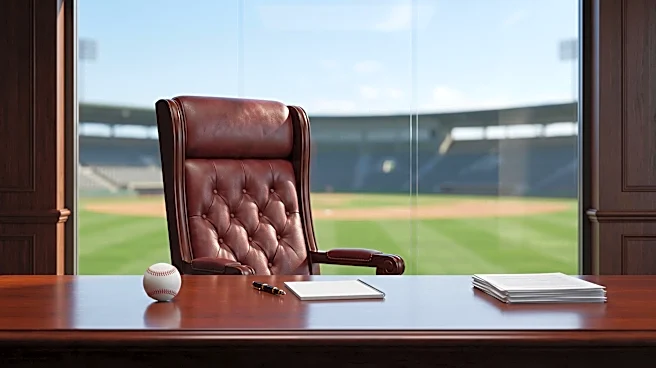





Bud Selig's time as Commissioner of Major League Baseball, initially as acting commissioner from 1992 and officially from 1998 to 2015, was marked by significant challenges and transformative changes for the sport. His leadership spanned a period of labor disputes, financial restructuring, and efforts to modernize the game. Selig's decisions and policies during his tenure left a lasting impact on MLB, shaping its structure and operations for years
to come.
Navigating the 1994 Players' Strike and Official Appointment
Selig first stepped into a leadership role as acting commissioner in 1992, following the departure of his predecessor, Fay Vincent, who was reportedly pushed out by a group of discontented team owners. This interim period was particularly challenging, as Selig found himself at the helm during the contentious 1994 players' strike. This labor dispute led to the cancellation of the World Series, a significant blow to the sport's image and financial health. Despite the difficulties, Selig continued to represent the league, working to resolve the impasse.
His efforts and leadership during this tumultuous time eventually led to his official confirmation as the ninth Commissioner of Baseball in 1998. This appointment marked the beginning of a long and influential period, during which Selig would oversee numerous changes and controversies. His tenure as commissioner, including his acting period, extended for over 22 years, making him one of the longest-serving leaders in the history of the position, second only to Kenesaw Mountain Landis.
Key Initiatives and Controversies During His Commissionership
Throughout his time as commissioner, Selig introduced several notable changes and faced various controversies. One significant initiative was the attempt at contraction in 2001, which aimed to eliminate some struggling franchises, though this plan ultimately did not come to fruition. He also oversaw changes to the MLB All-Star Game, including the controversial decision to tie home-field advantage in the World Series to the outcome of the All-Star Game, a rule that was later changed.
Selig's commissionership also coincided with the era of performance-enhancing drugs, a major challenge that led to disciplinary actions and a concerted effort to address the issue. He was instrumental in implementing stricter drug testing policies and penalties, aiming to restore integrity to the game. Additionally, he oversaw adjustments to the postseason schedule, including the introduction of the Wild Card playoff format, which expanded the number of teams competing for the World Series and added more excitement to the end of the regular season.
Legacy and Post-Commissionership Role
Selig's contract with Major League Baseball was extended multiple times, reflecting the owners' confidence in his leadership. He initially planned to retire in 2009, but accepted extensions, ultimately serving until January 25, 2015. Upon his retirement, he was succeeded by Rob Manfred, who had been elected as his successor in August 2014. Selig's contributions to baseball were recognized with his induction into the National Baseball Hall of Fame in 2017, receiving 93.7% of the vote.
Following his retirement, Selig was appointed Commissioner Emeritus of Baseball, a role he continues to hold. This position acknowledges his extensive service and ongoing connection to the sport. In 2015, the Milwaukee Brewers honored him with the unveiling of the "Selig Experience" exhibit at American Family Field, a fifteen-minute documentary showcasing his life and work for the team. Beyond baseball, Selig has also engaged in academia, teaching sports law and policy at Marquette University Law School and Arizona State University, and endowing chairs and lecture series at his alma mater, the University of Wisconsin.