
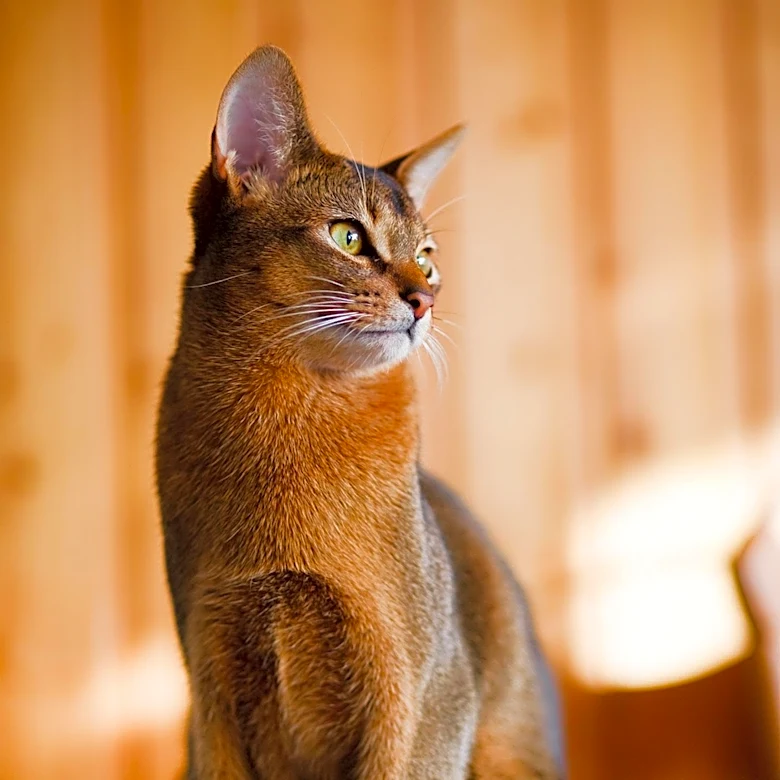



The Norwegian Forest Cat, known in its native land as *norsk skogkatt* or *norsk skaukatt*, is a pedigreed domestic cat breed with a fascinating history rooted in Northern Europe. This landrace breed is uniquely adapted to thrive in very cold climates, a characteristic evident in its distinctive coat. Its lineage is believed to trace back to cats brought to Norway by Vikings, suggesting a deep historical connection to the region's seafaring past and harsh
environmental conditions. The breed's journey from ancient origins to a recognized pedigreed cat is a testament to its resilience and the dedication of cat enthusiasts.
Ancient Origins and Viking Companions
The ancestors of the Norwegian Forest Cat are thought to have arrived in Norway around AD 1000, possibly aboard Viking ships. These early cats may have included short-haired varieties brought from Great Britain, as well as long-haired cats, potentially ancestral to modern breeds like the Siberian and Turkish Angora. This blend of feline genetics, introduced by the Vikings, likely formed the foundation for the landrace breed that would eventually evolve into the Norwegian Forest Cat. These cats were not merely passengers; they likely served as crucial mousers on Viking vessels, protecting valuable provisions from rodents during long voyages.
Over centuries, these cats lived and reproduced in the Norwegian forests, adapting naturally to the challenging environment. Their hunting prowess made them prized companions on Norwegian farms, where they continued to control pest populations. Norse legends even speak of the *skogkatt* as a "mountain-dwelling fairy cat with an ability to climb sheer rock faces that other cats could not manage." This folklore suggests that the ancestors of the modern Norwegian Forest Cat were already recognized for their exceptional climbing abilities, a trait that remains prominent in the breed today. Author Claire Bessant believes this ancient folktale could indeed refer to the forebears of the contemporary Norwegian Forest breed.
Adaptation to the Harsh Scandinavian Climate
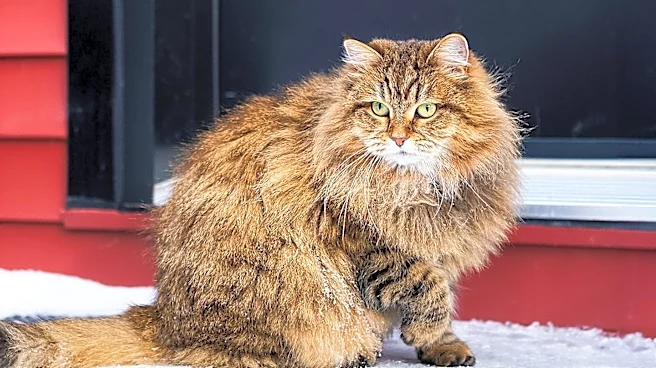
The most striking characteristic of the Norwegian Forest Cat is its remarkable adaptation to cold weather. Its coat is a marvel of natural engineering, consisting of two distinct layers. The top layer is made of long, glossy, water-repellent hair, designed to shed moisture and protect against snow and rain. Beneath this lies a woolly undercoat, providing essential insulation against the biting cold. This dense undercoat is particularly thick at the legs, chest, and head, forming a distinctive "ruff" that further enhances its protection.
This water-resistant coat with its insulating undercoat was crucial for the cat's survival in the harsh Scandinavian climate. The breed's strong, sturdy body, long legs, and bushy tail also contribute to its resilience in cold environments. Its physical attributes, combined with its natural agility and strong claws, make it an excellent climber, capable of navigating difficult terrain, including rocks. These adaptations allowed the original landrace cats to thrive in the Norwegian forests for many centuries before they caught the attention of cat enthusiasts in the early 20th century.
Near Extinction and Revival Efforts
Despite its long history and natural hardiness, the Norwegian Forest Cat faced a severe threat during World War II, when the breed was nearly driven to extinction. The war's disruptions and hardships took a heavy toll on many animal populations, and the unique Norwegian Forest Cat was no exception. However, dedicated efforts by the Norwegian Forest Cat Club initiated a breeding program that successfully increased the cat's numbers, pulling it back from the brink.
It wasn't until the 1970s that the breed gained international recognition. A Norwegian cat fancier played a pivotal role during this period, making concerted efforts to selectively breed and register the cat. This led to its official registration as a breed with the European Fédération Internationale Féline (FIFe). Today, the Norwegian Forest Cat is a popular breed, particularly in Northern Europe, including Norway, Denmark, Sweden, Iceland, and France, a testament to its enduring appeal and the successful preservation efforts that secured its future.