





Roy Tarpley's professional basketball career in the NBA, primarily with the Dallas Mavericks, was a complex narrative of immense talent intertwined with significant personal struggles. Drafted seventh overall in the 1986 NBA Draft, Tarpley quickly established himself as a formidable presence on the court. His initial years promised a stellar career, earning him accolades and demonstrating his potential to be a dominant force in the league. However,
his time in the NBA was ultimately cut short due to repeated violations of the league's substance abuse policies, leading to multiple suspensions and a permanent ban.
Tarpley's story serves as a poignant example of how off-court issues can derail even the most promising athletic careers. Despite his undeniable skill and impact when he played, his battle with substance abuse overshadowed his achievements and prevented him from realizing his full potential in the NBA. His attempts to return to the league after initial bans highlight a persistent desire to play, but ultimately, the challenges proved insurmountable within the NBA's framework.
Early Promise and Accolades with the Mavericks
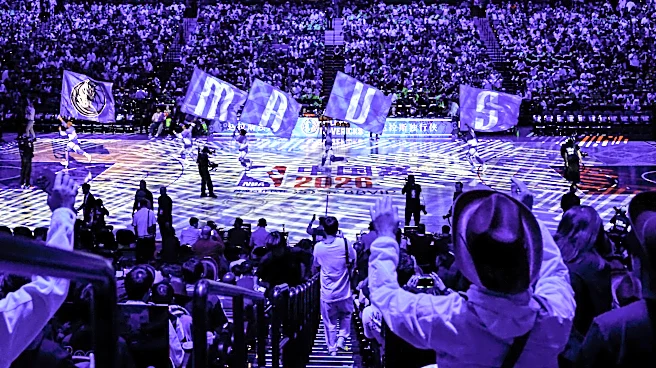
Roy Tarpley began his NBA career with the Dallas Mavericks, who selected him as the seventh overall pick in the 1986 NBA Draft. His impact was almost immediate, as he earned a spot on the NBA All-Rookie Team in his inaugural season. This early recognition underscored his talent and suggested a bright future in professional basketball. He quickly became a key player for the Mavericks, contributing significantly to their performance on the court.
The 1987-1988 season was a particular highlight for Tarpley. During this period, he was awarded the NBA Sixth Man of the Year Award, an honor given to the league's best player coming off the bench. This award further solidified his reputation as a valuable asset, capable of making a substantial difference in games. His performance during these early years showcased his ability to score, rebound, and contribute to team success, making him a fan favorite and a respected player among his peers.
The First Expulsion and European Interlude
Despite his on-court success, Tarpley's career took a significant turn in 1991. He was expelled from the NBA after testing positive for cocaine, marking the first major disruption to his professional journey. This expulsion highlighted the league's strict stance on substance abuse and the consequences players faced for violating these rules. His departure from the NBA forced him to seek opportunities elsewhere.
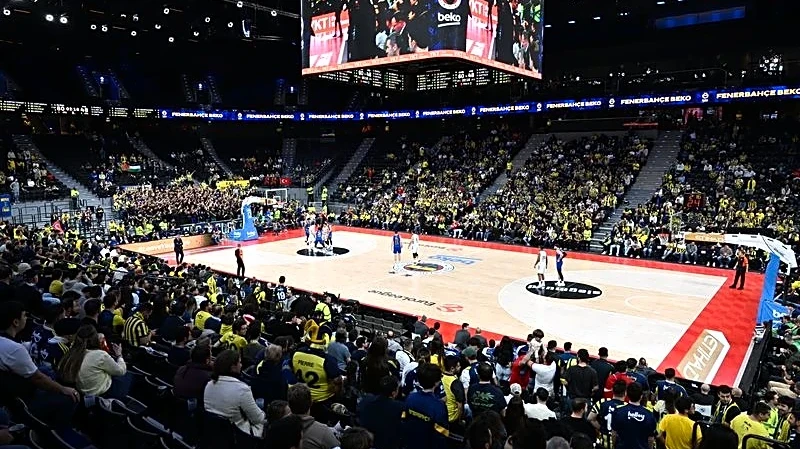
Following his expulsion, Tarpley continued his basketball career overseas. He played for various teams in Greece, including Aris Thessaloniki BC, Olympiakos, and Iraklis. During his time in Europe, he achieved notable success, winning the European Cup in 1993 with Aris Thessaloniki BC. In 1994, he reached the Euroleague final with Olympiakos BC and was recognized as the competition's best rebounder, averaging 12.8 rebounds per game. These achievements demonstrated that his basketball skills remained intact, even as his NBA career was on hold.
Attempts at Return and Permanent Banishment
Tarpley made an attempt to return to the NBA during the 1994-1995 season, rejoining the Dallas Mavericks. This return offered a glimmer of hope for a career resurgence, but it was short-lived. In December 1995, he was permanently expelled from the NBA due to alcoholism and for violating the terms of his drug rehabilitation. This second and final ban effectively ended his NBA career, preventing him from playing in the league again.
His permanent expulsion underscored the severity of his struggles and the NBA's unwavering policy regarding repeat offenses. Tarpley's career averages in the NBA stood at 12.6 points and 10 rebounds per game, statistics that hint at the potential he possessed. However, his battle with substance abuse ultimately curtailed what could have been an even more impactful career in the league. In 2009, he filed a lawsuit against the NBA and the Dallas Mavericks, alleging discrimination related to his permanent expulsion, though the parties reached an out-of-court settlement.