









Metonymy is more than just a figure of speech; it is a fundamental component of human cognition, playing a crucial role in how we organize and make sense of the world around us. This linguistic device, which refers to a concept by the name of something associated with it, allows us to create useful abstractions from the often-messy pile of individual instances we encounter daily. By leveraging the inherent connections between ideas and objects, metonymy
helps streamline our thought processes and facilitates efficient communication, demonstrating its deep impact on how we perceive and interact with reality.
Metonymy as a Cognitive Tool
At its core, metonymy functions by exploiting the contiguity, or close association, between two concepts. This cognitive mechanism enables us to use a readily identifiable associated item to represent a broader or more complex idea. For example, when we refer to business executives as "suits," we are using a prominent visual association—their attire—to stand for the entire group. This isn't merely a shortcut in language; it reflects a cognitive process where our minds link the part (the suit) to the whole (the person or profession) based on frequent co-occurrence and established cultural understanding.
This ability to substitute an associated term for a concept is vital for organizing our thoughts. Instead of having to describe every detail of a complex entity, metonymy allows us to evoke it through a single, related word. This process helps in forming categories and abstractions, making it easier to process information and communicate effectively. It demonstrates that our minds naturally seek out and utilize these associative links to build a coherent understanding of our environment.
The Fundamental Dichotomy in Thought
Prominent thinkers like Roman Jakobson and Kenneth Burke have explored metonymy's foundational role in human thought and language. Jakobson, for instance, argued that the fundamental dichotomy in tropes lies between metaphor and metonymy, representing two distinct ways the human mind structures discourse. Metaphor operates on similarity, drawing connections between disparate concepts based on shared characteristics, while metonymy operates on contiguity, linking concepts through association.
Kenneth Burke, an American literary theorist, considered metonymy one of four "master tropes," alongside metaphor, synecdoche, and irony. He delved into these in his work, *A Grammar of Motives*, suggesting that these tropes are not just literary devices but fundamental modes of thought. While Jakobson saw metaphor and metonymy as primary poles, Burke proposed that the fundamental dichotomy might lie between irony and synecdoche, or between dialectic and representation, or reduction and perspective. Regardless of the specific framework, the consistent inclusion of metonymy by these theorists underscores its deep-seated importance in how humans conceptualize and articulate their experiences.
Metonymy in Everyday Cognition and Language
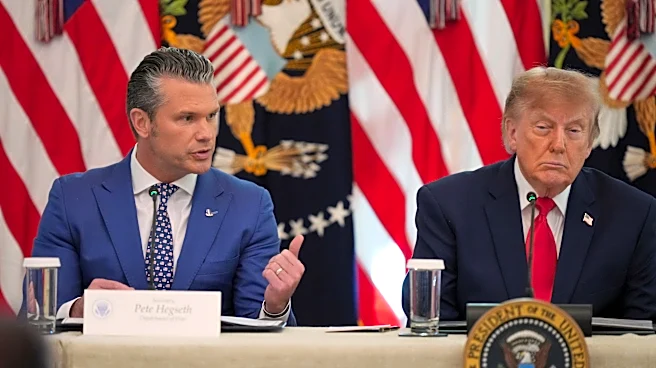
Metonymy is not reserved for academic analysis; it is pervasive in everyday speech and thought, often operating beneath our conscious awareness. When we say "the White House announced today," we are using "the White House" as a metonym for the U.S. President and their administration. This usage is so common that it feels natural, highlighting how deeply ingrained metonymic thinking is in our cognitive processes. It allows for efficient communication by relying on shared cultural knowledge of associations.
Furthermore, many instances of polysemy, where a single word acquires multiple related meanings, can be traced back to metonymic processes. For example, "chicken" can refer to the animal or the meat derived from it, and "crown" can mean the physical headwear or the monarchy itself. These semantic extensions demonstrate how metonymy continually shapes and expands the meanings of words, reflecting its dynamic role in both language evolution and individual cognition. It is a testament to how our minds organize and simplify complex realities through the power of association.