
The year 2020 marked a pivotal period for athlete activism in the United States, characterized by a significant evolution from symbolic gestures to direct and impactful strike actions. While athletes had
previously engaged in various forms of protest, the events of August 2020, particularly in response to the police shooting of Jacob Blake, demonstrated a new level of collective resolve. This shift highlighted a growing determination among professional athletes to leverage their platforms not just for awareness, but for tangible social and legislative change.
The Foundation: Black Lives Matter and Early NBA Protests
Before the August strikes, the National Basketball Association (NBA) had already established itself as a prominent arena for athlete activism, particularly in solidarity with the Black Lives Matter (BLM) movement. The BLM movement, which advocates for non-violent civil disobedience against police brutality and racially motivated violence, provided a clear framework for these protests. When the NBA restarted its 2019–20 season in July 2020, players made their stance unequivocally clear.
During this period, NBA courts prominently displayed the Black Lives Matter logo. Furthermore, players consistently knelt during the national anthem, a powerful visual protest against racial injustice. Each player also wore a "Black Lives Matter" shirt, ensuring that the message was visible and unified. These actions, while symbolic, laid the groundwork for the more direct forms of protest that would emerge later in the year, demonstrating a sustained commitment to the cause.
The Turning Point: The Jacob Blake Shooting and NBA Walkouts
The police shooting of Jacob Blake in Kenosha, Wisconsin, on August 23, 2020, served as a critical turning point, escalating athlete activism from symbolic gestures to direct action. The viral video of the shooting, which left Blake seriously injured, ignited widespread outrage and prompted athletes to demand more than just recognition of the problem. They sought to disrupt the status quo and force a more urgent conversation about systemic issues.
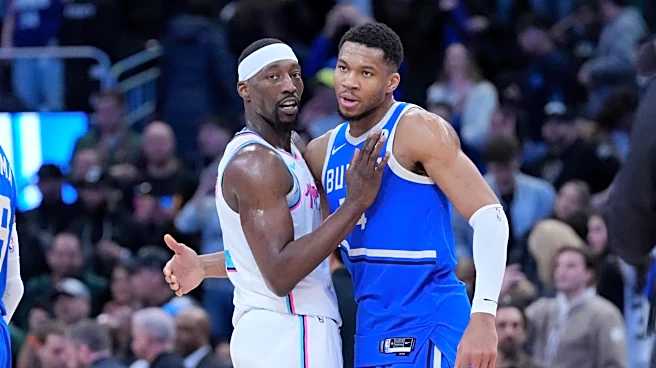
The Milwaukee Bucks of the NBA were at the forefront of this escalation. On August 26, they made the unprecedented decision to walk out of their first-round playoff game against the Orlando Magic. The team refused to leave their locker room, effectively striking. This action, initially reported as a potential forfeiture, led to the postponement of all NBA games scheduled for that day, as announced by the NBA and the National Basketball Players Association. This collective decision underscored the gravity of the situation and the athletes' unified stance.
Expanding the Impact: Other Leagues Join the Movement
The Bucks' bold move quickly inspired other professional sports leagues to join the strike, demonstrating a powerful ripple effect. The Toronto Raptors, another NBA team, had also been discussing a walkout, driven by frustration over the lack of social or legislative change following both the murder of George Floyd and Blake's shooting. This indicated a broader sentiment among athletes that their voices needed to be heard more forcefully.
Major League Soccer (MLS) players also staged walkouts from several games on August 26 to highlight racial injustice, leading to the cancellation of five out of six scheduled games. Similarly, the Women's National Basketball Association (WNBA) saw all six games scheduled for August 26 and 27 postponed. Even the National Football League (NFL) responded, with the Detroit Lions canceling practice on August 25, and nine other NFL teams canceling practices on August 27. These widespread actions across different sports leagues solidified the 2020 athlete strikes as a significant moment of collective direct action, moving beyond individual statements to a unified disruption aimed at demanding justice and reform.