








Korean cuisine is renowned for its diversity and regional variations, each offering unique flavors and dishes that reflect the local environment and cultural influences. From the northern provinces to the southern regions, Korean food showcases a rich tapestry of culinary traditions. This article delves into the distinct regional cuisines of Korea, highlighting their unique characteristics and specialties.
Northern Korean Cuisine
The northern regions of Korea, including Hamgyong,
Pyongan, and Hwanghae provinces, are known for their hearty and robust flavors. The cuisine here is influenced by the colder climate and the need for preservation techniques. Dishes often feature fermented ingredients and are less spicy compared to their southern counterparts.
One of the most famous dishes from the north is Pyongyang naengmyeon, a cold buckwheat noodle soup that is both refreshing and satisfying. The noodles are typically served in a chilled beef or pheasant broth, garnished with slices of radish and pear. The use of dongchimi, a type of water kimchi, as a broth base is a hallmark of northern cuisine.
Central Korean Cuisine
The central region, encompassing Gyeonggi, Chungcheong, and Gangwon provinces, offers a blend of flavors and ingredients. This area benefits from a milder climate and fertile land, allowing for a wide variety of agricultural products. The cuisine here is characterized by its balance and harmony, often incorporating both land and sea ingredients.
In the central region, dishes like dakgalbi, a spicy stir-fried chicken dish, and makguksu, cold buckwheat noodles, are popular. The use of fresh vegetables and herbs is prevalent, reflecting the region's agricultural abundance. The central cuisine is known for its moderate use of spices, creating dishes that are flavorful yet not overpowering.
Southern Korean Cuisine
The southern provinces of Jeolla and Gyeongsang are celebrated for their rich and bold flavors. The cuisine here is heavily influenced by the proximity to the sea, resulting in a wide array of seafood dishes. Jeolla province, in particular, is famous for its elaborate and sumptuous meals, often featuring a large number of side dishes.
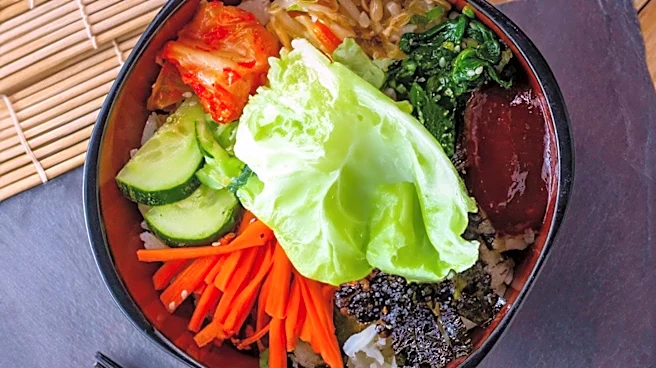
Jeonju bibimbap, a mixed rice dish with vegetables and beef, is a signature dish from the south. The region is also known for its fermented seafood, such as jeotgal, which adds depth and umami to many dishes. The southern cuisine is marked by its liberal use of spices, creating vibrant and flavorful dishes that are a feast for the senses.
Korean regional cuisines offer a fascinating glimpse into the country's diverse culinary landscape. Each region's unique ingredients and cooking methods contribute to the rich tapestry of Korean food, making it a dynamic and ever-evolving cuisine.