


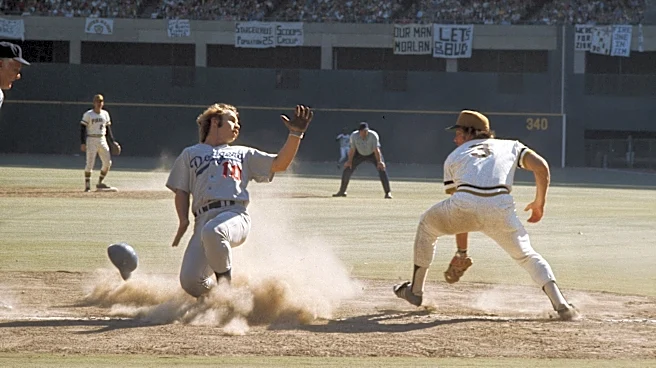

The 1960 World Series pitted the underdog Pittsburgh Pirates against the dominant New York Yankees in a contest that would culminate in one of baseball's most dramatic finishes. The Yankees, a perennial powerhouse, entered the series with a formidable reputation and a roster filled with stars. The Pirates, on the other hand, were a team that had exceeded expectations, capturing their first National League pennant in decades. This series was a classic
David versus Goliath battle, ultimately decided by a single swing of the bat in the final game, creating a timeless moment in sports history.
The Yankees' Dominance Leading Up to the Series
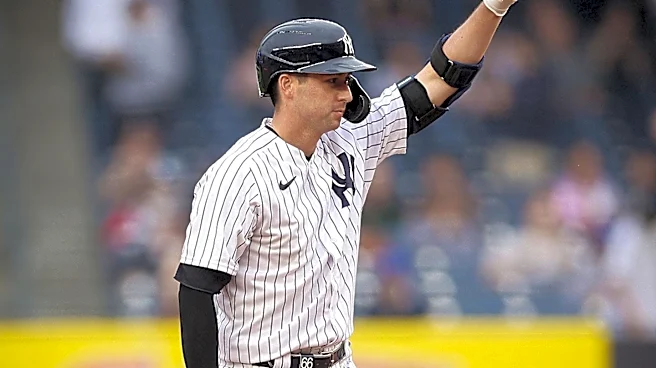
Under the leadership of Casey Stengel, the New York Yankees were a force to be reckoned with in 1960. They had secured their tenth American League pennant in twelve years, showcasing a consistent level of excellence. Their offensive prowess was particularly evident, as they had hit an AL season record of 193 home runs. Key players like Roger Maris, in his first season with the Yankees, had an exceptional year, leading the AL in slugging percentage, runs batted in, and extra-base hits, and hitting 39 home runs. The Yankees also entered the World Series on an impressive 15-game winning streak, the eighth-longest in American League history at that point, underscoring their momentum and confidence.
The Pirates' Unexpected Rise
In contrast to the Yankees' established dominance, the Pittsburgh Pirates' 1960 season was a story of exceeding all expectations. After a subpar individual season for Bill Mazeroski and the team finishing fourth the previous year, the "Battlin' Bucs" surprised many by dominating the National League. They clinched their first pennant since 1927, largely due to a strong team effort. Mazeroski himself had a standout August, hitting .373 with 16 RBIs and a 26-game errorless streak, contributing significantly to the team's success. Despite having eight All-Stars, the Pirates were widely considered the underdogs against the powerful Yankees, setting the stage for a compelling series.
A Series of Contrasts and a Historic Ending
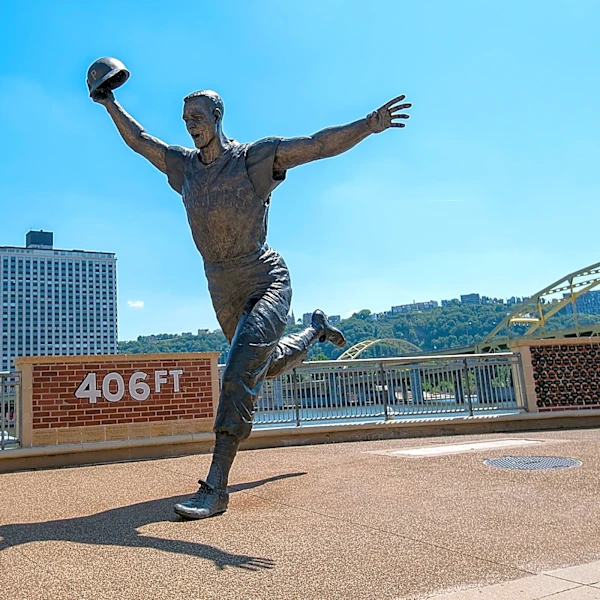
The World Series itself was a study in contrasts. While the Yankees outscored the Pirates by a significant margin of 55–27 over the seven games, the Pirates managed to win the crucial matchups. Game 2, for instance, saw Mickey Mantle hit two home runs in a 16–3 Yankees victory, evening the series after Pittsburgh had won Game 1. However, it was Bill Mazeroski's two game-winning home runs, including the decisive solo walk-off in the bottom of the ninth inning of Game 7, that ultimately sealed the championship for Pittsburgh. This historic home run, the first time a major league season ended with such a hit and the only Game 7 walk-off to clinch a World Series, immortalized the 1960 Pirates as champions.