

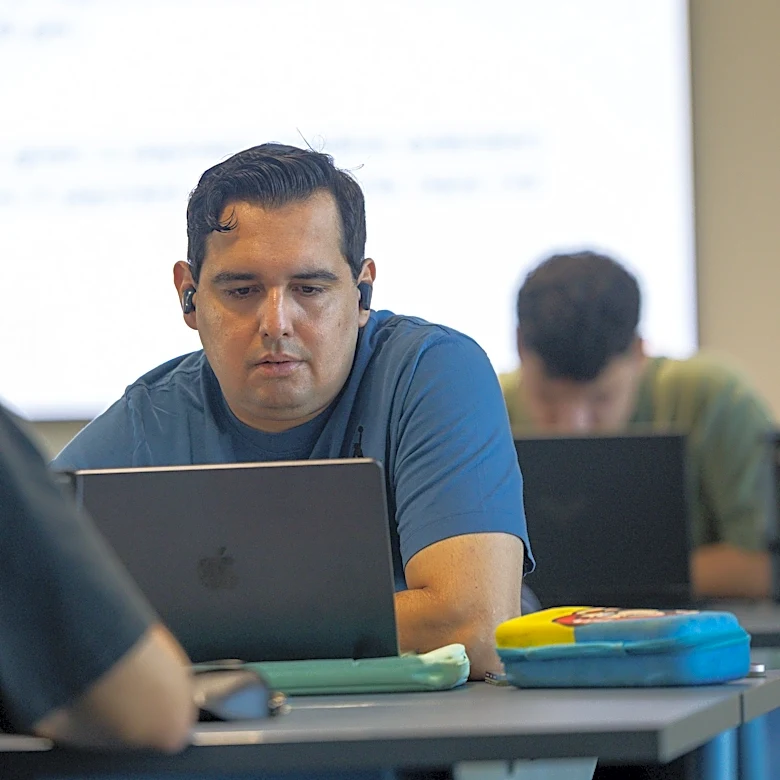








Mentorship plays a vital role in educational settings, providing students with crucial support and guidance that extends beyond traditional classroom instruction. This relationship, where a mentor advises and supports a student, is instrumental in developing skills, knowledge, and professional standards for the next generation. From secondary schools to post-secondary institutions, mentorship programs are designed to help students complete programs,
build confidence, and successfully transition into further education or the workforce. A key focus in this area is fostering resilience, particularly for students facing significant challenges.
Building Resilience in Students
One specific focus of youth mentoring in education is addressing issues that contribute to underachievement and preparing students to navigate difficult life circumstances. This involves fostering resilience, a method found particularly useful when working with students from low socioeconomic backgrounds who often encounter crises or traumas. These challenges directly impact education, and understanding the negative psychological and environmental situations disproportionately faced by these students provides a framework for explaining achievement gaps. Resilience doesn't eliminate these struggles but equips students with tools to adapt, respond positively, and learn from their experiences.Protective factors are crucial in this process, as they modify responses to adverse events, helping students avoid negative outcomes and develop resilience. Examples include supportive adults, friendships with high-achieving peers, opportunities for advanced classes, participation in extracurricular activities, developing self-belief, and coping mechanisms for negative aspects of their environment. Conversely, risk factors like family tragedy, substance abuse among siblings, instability, personal pain, and academic failure can impede a student's ability to engage positively with challenges. Mentors, particularly supportive adults, can help reduce the negative impact of risk factors while strengthening protective ones.
The Role of Educators as Mentors and Instructional Coaches
For underachieving students from challenging environments who often lack support, educators can play a beneficial role by extending beyond basic classroom structures. In environments where students are exposed to coercive interactions, positive, personal, and harmonious exchanges with a supportive figure can foster adaptive qualities. Teachers who recognize students' talents, care for them as individuals, and establish genuine relationships can become mentors and advocates, providing an extra-familial support system that acts as an additional protective factor. This support, combined with programs like afterschool activities, challenging classes, peer support, and gifted programs, facilitates resilience.Instructional coaches represent another significant form of mentorship in education. These are former effective teachers or principals who undergo additional training to develop the technical skills needed for coaching. They work one-on-one or in small groups with teachers to enhance student achievement, using data collected and discussed collaboratively. Instructional coaching models can include cognitive coaching, clinical supervision, peer coaching, and formal literacy coaching. The ultimate goal is to increase teacher capacity and improve instruction through ongoing learning opportunities, making it a form of professional development embedded within a teacher's work.
Effectiveness and Key Components of Instructional Coaching
Instructional coaching has shown positive results. A three-year study by the Pennsylvania Institute for Instructional Coaching indicated an increase in student success when coaching was used, though this was not isolated from other factors. Teachers regularly coached reported that coaches helped them understand and use new teaching strategies, significantly improved their classroom instruction, and led to more engaged students and increased attendance. This aligns with the idea that effective professional development involves long-term support, in-classroom coaching, and ongoing interaction with colleagues.Key to effective instructional coaching is administrative support, ensuring alignment with the school's mission. The partnership between the principal and the instructional coach is core to success, as mixed messages can hinder teacher improvement. Data-driven strategies are also critical; coaches use observations and data to facilitate teacher improvement rather than simply giving opinions. Finally, the relationship and trust between the coach and coachee are paramount. A coach with specific content knowledge and respect in the teacher's field, combined with confidentiality, helps build this trust, allowing for open communication and effective professional growth.