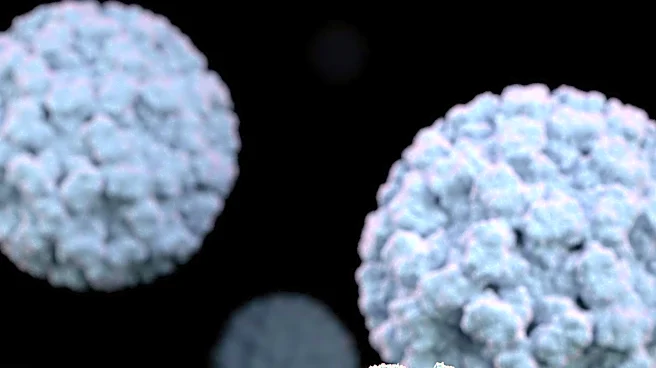








Measles, also known by names such as morbilli, rubeola, red measles, or English measles, is a highly contagious infectious disease caused by the measles virus. This vaccine-preventable illness presents a significant public health concern due to its rapid spread and potential for serious complications. Understanding its characteristics, from initial symptoms to transmission methods, is crucial for both prevention and management. The disease is caused by the measles virus,
an RNA virus closely related to viruses affecting cattle (rinderpest) and dogs (canine distemper).
Initial Symptoms and Progression
Symptoms of measles typically emerge 10 to 12 days after exposure to an infected individual and usually persist for 7 to 10 days, not including potential complications. The initial phase of the illness is marked by a set of distinct symptoms. These commonly include a high fever, which can often exceed 104 degrees Fahrenheit (40 degrees Celsius), accompanied by a cough, a runny nose, and inflamed eyes. These early signs can sometimes be mistaken for other common illnesses, making accurate diagnosis challenging without laboratory tests.
A characteristic feature of measles, known as Koplik spots, may appear inside the mouth two or three days after the onset of these initial symptoms. These small white spots are a pathognomonic sign, meaning they are highly indicative of measles. Following the appearance of Koplik spots, a rash typically develops. This rash usually begins on the face and then systematically spreads to cover the rest of the body. The progression of these symptoms helps medical professionals track the disease's course.
Transmission and Contagiousness
Measles is primarily an airborne disease, meaning it spreads easily through the air. When an infected person coughs, sneezes, or even talks, they release airborne droplets containing the virus. These droplets can remain suspended in the air for up to two hours, making it possible for individuals without immunity to inhale them and become infected. This high level of contagiousness is a key factor in its rapid spread.
The virus is considered one of the most contagious human pathogens, with a basic reproduction number (R0) estimated between 12 and 18. This means that in a community where no one has immunity, one infected person is expected to transmit the disease to 12 to 18 other individuals. People infected with measles are infectious to others from four days before the rash appears until four days after its onset. While less significant, it is also possible for measles to spread through contact with respiratory secretions or contaminated surfaces. However, the virus is inactivated by factors like ultraviolet radiation, heat, and acidic environments, and it does not easily spread through contact with infected surfaces or objects, known as fomites.
Complications and Immunity
Common complications associated with measles include diarrhea, which occurs in about 8% of cases, middle ear infections (7%), and pneumonia (6%). These complications are partly attributed to measles-induced immunosuppression, where the virus temporarily weakens the body's immune system. Less commonly, measles can lead to more severe issues such as seizures, encephalitis (inflammation of the brain), subacute sclerosing panencephalitis (a rare, fatal neurological disease), hearing loss, and blindness. These more serious complications highlight the importance of prevention.
Once an individual has recovered from measles or has been successfully vaccinated, they acquire lifelong immunity to the disease. This means they are protected from future infections. However, diagnosing measles based solely on symptoms can be difficult because many of its signs can be caused by other diseases. Therefore, laboratory tests are often necessary to confirm a diagnosis conclusively.