






The umbilicus, commonly known as the navel or belly button, represents a particularly intriguing area of the human body for studying the skin microbiome. This region is rarely exposed to UV light, soaps, or bodily secretions, as the navel itself does not produce any oils or secretions. This relative lack of disturbance makes it an excellent, almost pristine community of bacteria, offering unique insights into microbial life on human skin. The navel is characterized
by its moist environment, with high humidity and temperatures, which fosters a large amount of bacteria, especially those that thrive in moist conditions, such as Corynebacterium and Staphylococcus.
The Belly Button Biodiversity Project: Uncovering Microbial Secrets
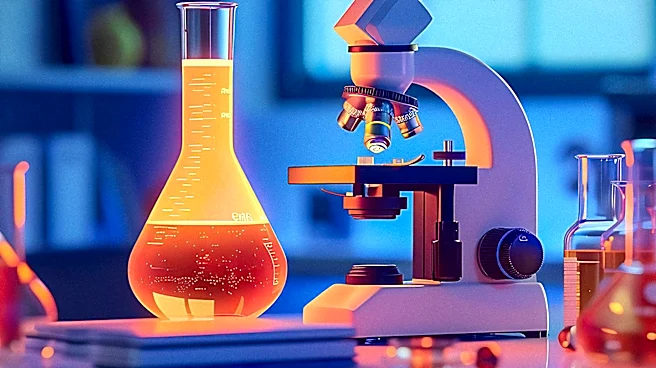
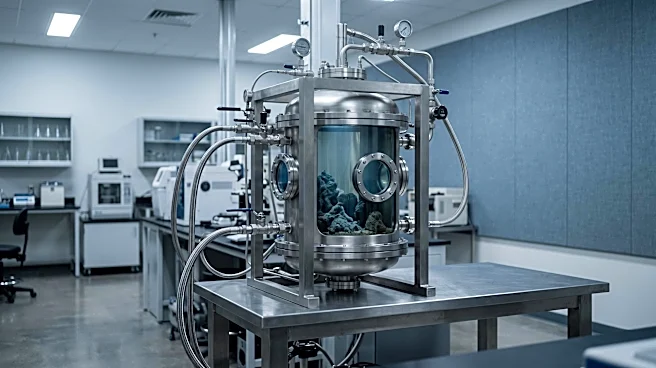
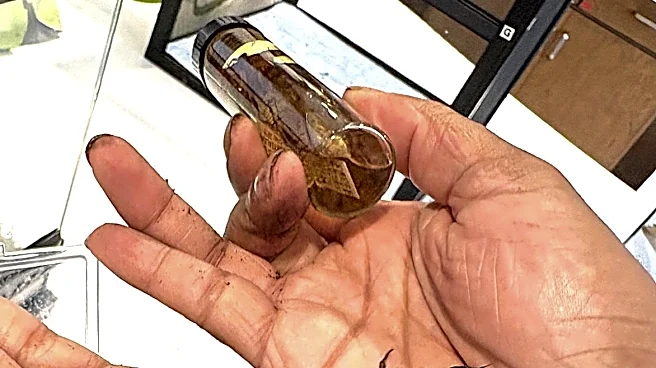
The Belly Button Biodiversity Project, initiated at North Carolina State University in early 2011, has been instrumental in exploring this unique ecosystem. The project began with two initial groups of volunteers, totaling 60 individuals. Participants were instructed to use sterile cotton swabs to collect samples from their navels, turning the swab three times before returning it to researchers in a vial containing a phosphate saline buffer. These samples were then cultured until bacterial colonies were large enough for photography, with images posted online for volunteers to view. Beyond culturing, the samples were analyzed using 16S rDNA libraries, a technique that allowed for the identification of bacterial strains that do not grow well in traditional cultures.
Key Findings and Prevalent Species
Through their research, the scientists at North Carolina State University discovered that while predicting every single bacterial strain in the navel microbiome was challenging, they could reliably predict which strains would be prevalent and which would be rare. The navel microbiomes were found to contain a limited number of prevalent bacterial types, including Staphylococcus, Corynebacterium, Actinobacteria, Clostridiales, and Bacilli, alongside a much larger diversity of rare bacteria. Interestingly, other rare organisms, including three types of Archaea, were also identified in volunteers' navels; two of these Archaea types were found in one individual who reported not having bathed or showered for many years.
Staphylococcus and Corynebacterium emerged as the most common types of bacteria in the navels of the project's volunteers. These findings align with larger studies of the human skin microbiome, which also identify these genera as highly prevalent across the skin. Further distinctions were noted in these broader studies: females generally tend to have more Staphylococcus, particularly Staphylococcus epidermidis, in their skin microbiomes, while males often exhibit a higher abundance of Corynebacterium.
Transient Bacteria and Project Goals
The Belly Button Biodiversity Project also highlighted the presence of transient bacteria in the navel and surrounding areas. These are bacteria that do not reproduce in that location and constitute the majority of organisms found. An estimated 1,400 different strains of transient bacteria were identified in 95% of the study participants. The project, which is ongoing and has collected swabs from over 500 people, was designed with several key objectives. One primary goal is to challenge the common misconception that all bacteria are harmful to humans and that humanity is in a constant battle against them. In reality, most bacterial strains are harmless, and many are beneficial for the human body. Another significant aim of the project is to foster public interest in microbiology, working in conjunction with the Human Microbiome Project to explore connections between human microbiomes and factors such as age, sex, ethnicity, geographical location, and overall health.