


"The Real Ambassadors," a jazz musical conceived by Dave and Iola Brubeck in collaboration with Louis Armstrong, not only delivered a powerful message but also resulted in a significant soundtrack album. This album, featuring songs from the musical, was recorded in September and December of 1961 at the Columbia Records recording studio on 30th Street in New York City. It was subsequently released in 1962, just before the musical's premiere. Produced
by Teo Macero, the recording brought together an impressive roster of jazz talent, creating a landmark album that captured the essence of the musical's themes and its innovative blend of music and social commentary. The meticulous recording process and the subsequent live performances cemented its place in jazz history.
Studio Sessions and Featured Artists
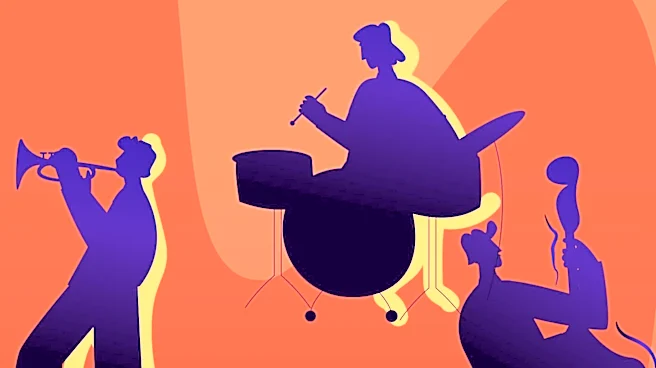
The studio sessions for "The Real Ambassadors" soundtrack were a collaborative effort involving several prominent jazz ensembles and vocalists. Dave Brubeck and his band were central to the recording, featuring bassist Gene Wright and drummer Joe Morello. Notably, saxophonist Paul Desmond, a regular member of Brubeck's quartet, was not part of this particular recording. Louis Armstrong and his band also played a crucial role, with contributions from trombonist Trummy Young, drummer Danny Barcelona, bassist Irving Manning, clarinetist Joe Darensbourg, and pianist Billy Kyle. The vocalese group Lambert, Hendricks & Ross, known for their intricate vocal arrangements, added another layer of artistry, as did the acclaimed vocalist Carmen McRae. This diverse assembly of talent ensured a rich and dynamic musical tapestry for the album.
The soundtrack album was later re-released on compact disc on June 14, 1994, by Sony's Legacy label, making this important work accessible to new generations of listeners. The album's professional ratings, including a five-star review from *New Record Mirror*, attest to its critical acclaim and enduring quality. The studio environment, particularly the Columbia 30th Street studio, provided the setting for these artists to bring the Brubecks' vision to life, capturing the musical's blend of jazz improvisation and thoughtful lyrical content.
Premiere and Subsequent Revivals
The musical itself premiered in a condensed version of 10 tunes at the 1962 Monterey Jazz Festival. This live performance featured many of the same artists from the soundtrack album, including Brubeck and his band, Armstrong and his band, Lambert, Hendricks & Ross, and Carmen McRae. Iola Brubeck provided live narration during this premiere, guiding the audience through the musical's narrative. Despite the presence of television cameras at the festival, the performance was not captured on film, a fact that Dave Brubeck later expressed regret over, calling it a "terrible goof" that he hadn't paid the $750 fee to record it.
Forty years later, in 2002, "The Real Ambassadors" made a significant return to the Monterey Jazz Festival. This revival featured the Dave Brubeck Quartet alongside contemporary artists such as Lizz Wright, Roy Hargrove, and Christian McBride, demonstrating the musical's lasting relevance. Archival footage from this 2002 performance is preserved within the Monterey Jazz Festival Collection at Stanford University. The musical has continued to see revivals, including at the 2013 Detroit Jazz Festival, where Bill Meyer utilized the concert performance format with a narrator, similar to the original Monterey staging. In 2014, it was performed in New York City for the first time at Jazz at Lincoln Center, with Yolande Bavan, an original vocalist from the Monterey premiere, returning in the role of narrator. Efforts by Connecticut jazz vocalist Dianne Mower have been ongoing to bring about a Broadway revival of the show, further highlighting its enduring appeal. Additionally, songs from the album were performed through the Louis Armstrong House in 2021, featuring narration by Alphonso Horne and footage from both the Brubeck and Armstrong homes, available on YouTube.