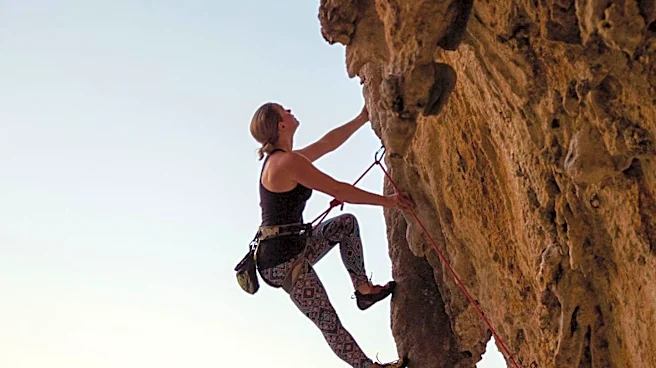










Rock climbing is not only an exhilarating sport but also a powerful tool for enhancing physical and mental well-being. While it offers numerous health benefits, it also comes with certain risks that climbers must be aware of. This article explores the positive impacts of rock climbing on health and the potential dangers associated with the sport.
Physical Health Benefits
Engaging in rock climbing can lead to significant improvements in physical health. The sport is known for
enhancing cardiorespiratory fitness, as it requires sustained physical effort and endurance. Climbers often experience increased muscle strength, particularly in the arms, legs, and core, as they navigate challenging routes and support their body weight.
Balance and coordination are also improved through regular climbing practice. The need to maintain stability on uneven surfaces and make precise movements helps develop these skills. Additionally, climbing can aid in weight management, as it is a high-intensity activity that burns calories and promotes overall fitness.
Mental Health Benefits
Beyond the physical advantages, rock climbing offers a range of mental health benefits. The sport is known to enhance memory and problem-solving skills, as climbers must strategize and plan their routes. The focus required during climbing can also lead to a meditative state, reducing stress and promoting mental clarity.
Climbing has been associated with increased self-confidence and improved communication skills. The sense of accomplishment from completing a challenging climb can boost self-esteem, while the social aspect of climbing fosters teamwork and camaraderie. Therapeutic climbing, particularly indoor bouldering, has emerged as a safe and effective approach for improving mental well-being, with some studies suggesting it may be as effective as cognitive behavioral therapy for treating depression.
Potential Risks and Considerations
Despite its benefits, rock climbing is not without risks. The physical demands of the sport can lead to injuries, particularly to the tendons and joints. Climbers are prone to finger and arm injuries, as well as knee and shoulder issues. The use of advanced training devices and techniques can exacerbate these risks if not used properly.
Eating disorders have also been reported among climbers, especially in competitive settings where there is pressure to maintain an optimal strength-to-weight ratio. This has been recognized as a cultural issue within the climbing community, prompting organizations to implement guidelines to address the problem.
While rock climbing offers numerous health benefits, it is essential for climbers to be aware of the potential risks and take appropriate precautions. By doing so, they can enjoy the sport safely and reap the rewards of improved physical and mental well-being.