






Milton Reynolds, an American entrepreneur born Milton Reinsberg, was a figure whose career spanned far beyond the introduction of the ballpoint pen. While his most famous achievement was bringing the first ballpoint pen to the U.S. market in October 1945, Reynolds was a multifaceted individual with a history of diverse ventures, inventions, and even record-breaking aviation exploits. His business fortunes were often dynamic, experiencing both significant
rises and falls throughout his professional life.
Beyond the Ballpoint: Other Innovations and Investments
Before and alongside his ballpoint pen success, Reynolds demonstrated a keen inventive and business mind. He was the inventor of the "talking sign," a promotional placard designed for retail stores, showcasing his understanding of marketing and consumer engagement. This invention highlights his early interest in tools that could enhance commercial activities and attract customers.
Reynolds also ventured into significant investments in other groundbreaking fields. He was among the first investors in Syntex, a company that played a pioneering role in the development of the combined oral contraceptive pill, commonly known as the birth-control pill. This investment illustrates his willingness to engage with and support innovative technologies that had the potential to reshape society, far removed from the realm of writing instruments.
Aviation Adventures and Record-Breaking Flights
A lifelong passion for flying led Reynolds to indulge in aviation, often intertwining it with his business endeavors. In the 1930s, he owned a Stinson Reliant monoplane, which he named the "Flying Printasign" after his sign-making company, Reynolds Printasign. This company, which produced retail sign-making equipment, was later owned and operated by two generations of his heirs, indicating a lasting legacy in that industry.
Even as he considered exiting the pen business, Reynolds purchased a used Douglas A-26 Invader bomber. He had the armor removed and retrofitted the plane with commercial engines, christening it the "Reynolds Bombshell." In a notable publicity stunt to promote his pens, from April 12-16, 1947, Reynolds, along with pilot Bill Odom and copilot Tex Sallee, flew the "Reynolds Bombshell" around the world. They completed the journey in 78 hours and 55.5 minutes, making nine stops for refueling, and set a new world record for twin-engine propeller aircraft, surpassing Howard Hughes's previous record of 91 hours and 14 minutes. This flight was strategically timed to coincide with the international introduction of the Reynolds Rocket, a pen designed to write in two colors, further demonstrating his flair for promotion and global ambition.
Later Expeditions and Retirement
Reynolds and his crew undertook another newsworthy intercontinental flight, an expedition to the Amne Machin mountain range in Tibet and K2, the world's second-highest mountain. He renamed his retrofitted bomber the "China Explorer" for this journey. He mistakenly believed K2 was taller than Mount Everest and hoped to gain publicity by establishing this fact. While the Chinese government initially detained the flight, Reynolds and the China Explorer managed to divert their guards, take off from Lunghwa Field, and complete a quick flyover of K2. Family lore suggests a secret deal with the U.S. government to look for evidence of Chinese nuclear tests, with clandestine payments reportedly passing through the Reynolds Construction Company as part of an operation code-named "KK Mountain." Reynolds sold the "Reynolds Bombshell" in 1948, and it eventually ended up in Iran, where it remains on display in the Aerospace Exhibition Centre in Tehran.
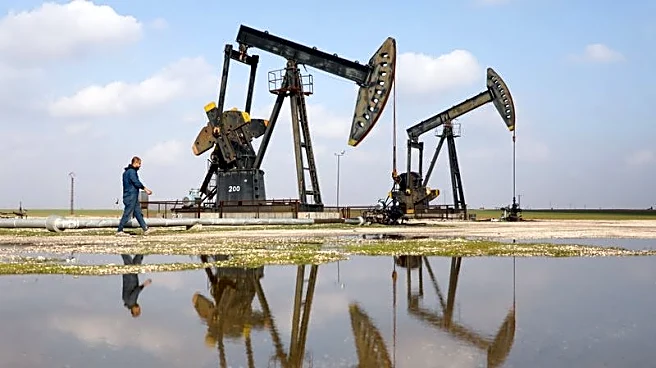
After his son James bought out Reynolds Printasign, Milton Reynolds retired to a hacienda near Mexico City, affectionately known as the "Milton Hilton." In retirement, he speculated in land and invested in Iranian oil with investor Charles Allen. He also traveled the world on commercial flights, serving as an unofficial "goodwill ambassador" for the United States. In 1944, he authored a book titled "Hasta La Vista," chronicling his travels in South America, with a special signed edition highly prized by collectors.