







Road racing, a thrilling form of motorsport, has captivated audiences for decades. It involves racing on paved roads, either on closed circuits or temporarily closed public streets. This article explores the historical journey of road racing, highlighting its evolution from early beginnings to the sophisticated circuits of today.
Early Road Racing
The roots of road racing can be traced back to the early 20th century when races were held on public roads. These early races were often
dangerous, with minimal safety measures in place. The thrill of speed and competition attracted many enthusiasts, setting the stage for the development of more organized racing events. As the popularity of road racing grew, so did the need for dedicated racing circuits, leading to the construction of purpose-built tracks.
In 1949, the Federation Internationale de Motocyclisme (FIM) introduced the Grand Prix motorcycle racing world championship, with the Isle of Man TT as its inaugural event. This marked a significant milestone in the history of road racing, as it established a formal structure for international competition. The early Grand Prix races were primarily held on street circuits, showcasing the unique challenges and excitement of racing on public roads.
Post-War Developments
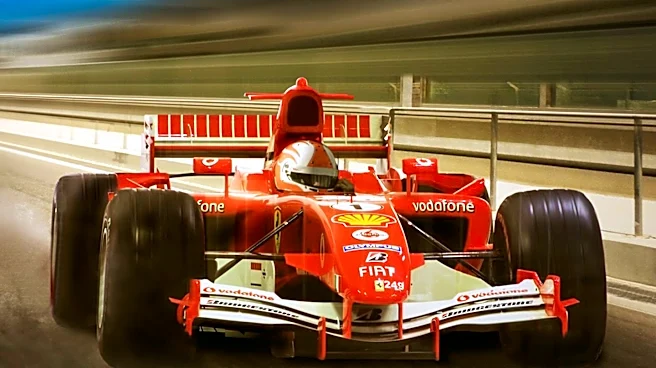
The post-war era saw significant advancements in road racing, with the establishment of the Formula One World Championship in 1950 by the Federation Internationale de l’Automobile (FIA). This championship included iconic races such as the Indianapolis 500, further cementing road racing's status as a premier motorsport. The introduction of the Formula I manufacturers' championship in 1955 added another layer of competition, encouraging innovation and technological advancements in racing vehicles.
During this period, road racing faced numerous challenges, particularly concerning safety. The 1955 Le Mans disaster highlighted the dangers associated with high-speed racing on public roads, leading to temporary bans in several countries. These incidents underscored the need for improved safety standards, prompting significant changes in race organization and circuit design.
Modern Road Racing
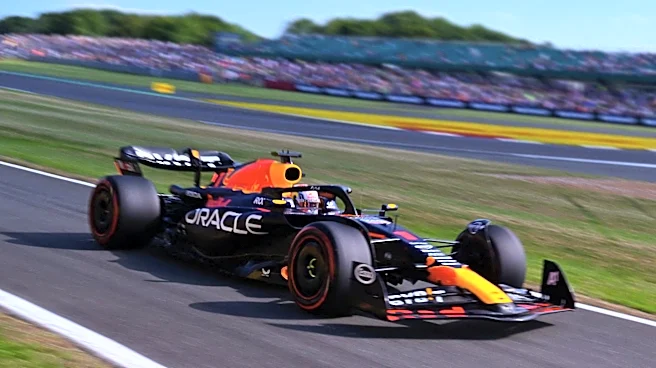
Today, road racing has evolved into a highly regulated and sophisticated sport, with stringent safety measures in place to protect both drivers and spectators. Modern circuits are designed with advanced safety features, including barriers and runoff areas, to minimize the risks associated with high-speed racing. The sport continues to captivate audiences worldwide, with events like the Formula One World Championship drawing millions of viewers each year.
Despite its evolution, road racing retains its core appeal: the thrill of speed, the challenge of competition, and the allure of racing on iconic circuits. As technology continues to advance, the future of road racing promises even more excitement and innovation, ensuring its place as a beloved motorsport for generations to come.