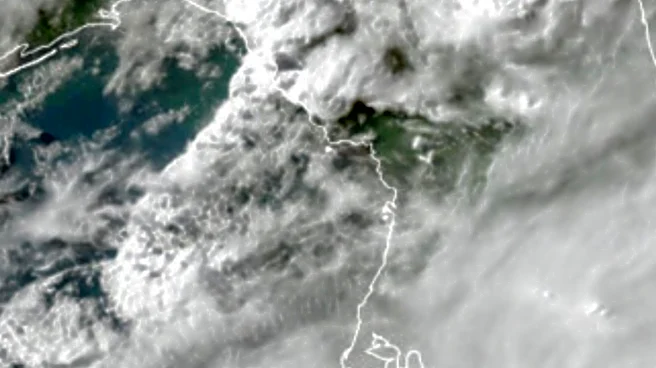







Hurricane Nicole, a late-season Category 1 hurricane in November 2022, made a notable impact on Florida, marking several unusual occurrences in the state's hurricane history. Its landfalls in Florida were particularly significant, not only due to their timing but also because of the areas affected. The storm's trajectory and characteristics, including its large size despite being relatively weak, contributed to widespread effects across the region,
highlighting the persistent threat of tropical cyclones even outside the peak hurricane season.
A Rare November Event for Florida
Nicole became only the third November hurricane on record to make landfall in Florida. This places it in a unique historical category alongside the 1935 Yankee hurricane and Hurricane Kate in 1985. This late-season activity underscores the potential for tropical cyclone development and impact even as the Atlantic hurricane season draws to a close. The fact that such an event is rare emphasizes the unusual meteorological conditions that allowed Nicole to strengthen and make landfall in Florida during November.
Nicole's first Florida landfall occurred on November 10, south of Vero Beach, on North Hutchinson Island, as a low-end Category 1 storm with sustained winds of 75 mph. This marked the first time a tropical cyclone made landfall along Florida's east coast at hurricane strength since Hurricane Katrina in 2005. The storm then briefly emerged over the Gulf of Mexico near Homosassa, Florida, before making a second landfall at Cedar Key in Florida's Big Bend region with sustained winds of 45 mph. Its final landfall was at the mouth of the Aucilla River, with sustained winds of 40 mph, before weakening to a depression as it moved into southwest Georgia.
Impact on Previously Devastated Regions
Adding to its unusual nature, Nicole crossed the same region in Florida that had been devastated just six weeks earlier by Hurricane Ian. This sequential impact on an already vulnerable area likely exacerbated the challenges faced by residents and infrastructure. Despite being a relatively weak storm, Nicole's large size was a key factor in its widespread effects. It produced heavy rainfall and strong winds across the Greater Antilles, the Bahamas, and Florida, leading to power outages and significant damage in many areas.
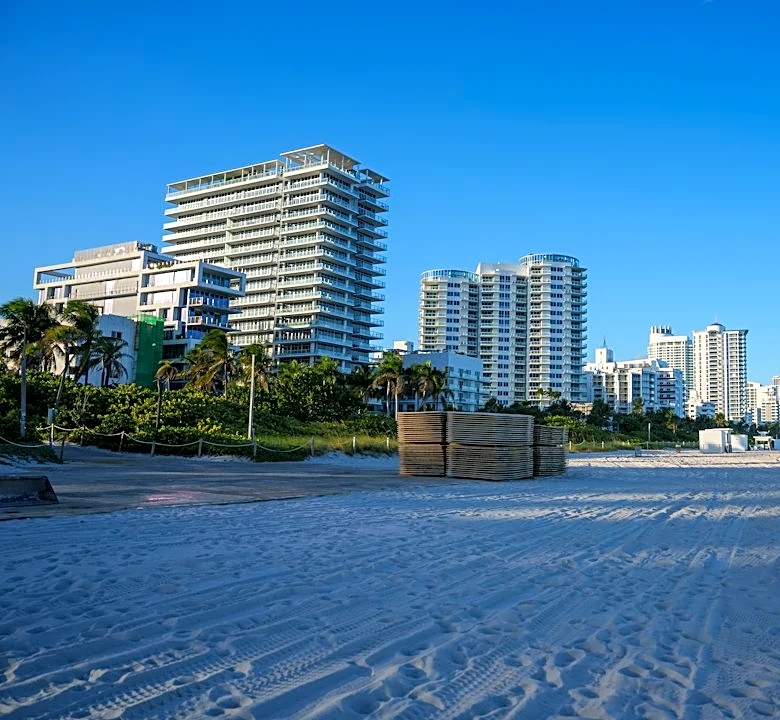
The days of strong onshore wind flow onto Florida's east coast, particularly in Volusia, St. Johns, and Flagler counties, resulted in severe beach erosion. This erosion would have been a significant concern, especially in areas still recovering from Hurricane Ian. The combination of a late-season hurricane and its path over previously impacted areas made Nicole a particularly challenging event for Florida, demonstrating the complex and often compounding nature of hurricane impacts.
Meteorological Journey and Dissipation
Nicole's meteorological history began on November 7, when it formed as a subtropical cyclone from a non-tropical area of low pressure near the Greater Antilles. It transitioned into a tropical cyclone the following day. The storm took a path similar to Hurricane Dorian three years prior, making landfall on Great Abaco and Grand Bahama in the Bahamas, where it strengthened into a Category 1 hurricane. After its Florida landfalls, Nicole continued to weaken as it moved northwestward across the Florida peninsula, though it remained well organized with tropical storm-force winds extending far from its center.
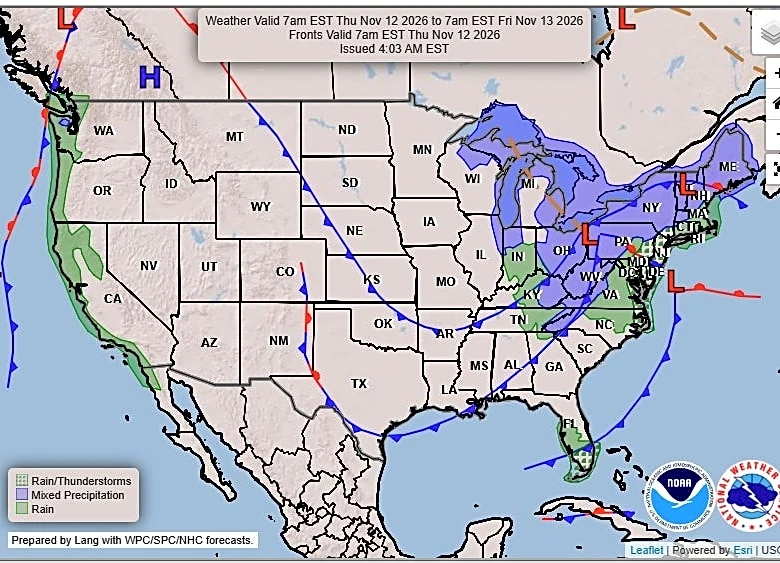
After its final Florida landfall, Nicole weakened to a depression as it moved into southwest Georgia. It then turned northward, traversing western Georgia between an Atlantic high and a mid-latitude trough and cold front approaching from the west. Later, after turning northeastward and moving over extreme western North Carolina into eastern Tennessee, Nicole degenerated into a remnant low before being quickly absorbed into the mid-latitude system. This progression from subtropical formation to tropical cyclone, multiple landfalls, and eventual absorption into a larger weather system illustrates the dynamic nature of late-season hurricanes.