






Santiago, also known as Santiago de Chile, stands as the capital and largest city in Chile, serving as the heart of its most significant urban area, Greater Santiago. Nestled in the country's central valley at an elevation of 1,706.04 feet above mean sea level, it has undergone a remarkable transformation. Despite its status as the capital, Chile's legislative bodies convene in the coastal town of Valparaíso, located about an hour's drive to the west.
This dynamic city has evolved into one of Latin America's most modern metropolitan areas, driven by consistent economic growth.
Economic Growth and Urban Development
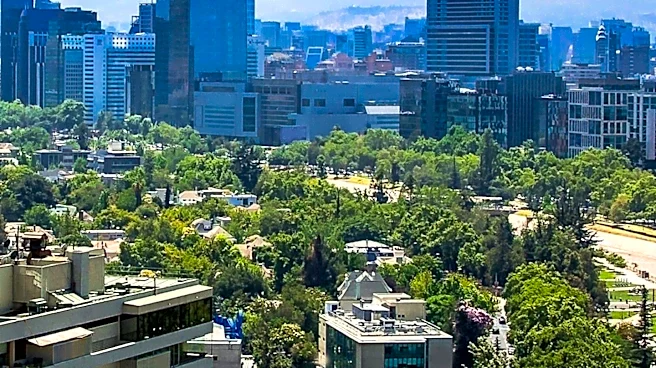
Chile's steady economic growth has been a primary catalyst for Santiago's modernization. This growth has fueled extensive suburban development, leading to the proliferation of numerous shopping centers across the city. The skyline of Santiago is now characterized by impressive high-rise architecture, reflecting its status as a burgeoning economic hub. This urban expansion signifies a significant shift in the city's landscape and its role within the region.
Santiago is recognized as an Alpha(-) World City, a designation that underscores its global importance in economic and cultural spheres. Its robust economy has attracted many multinational corporations, establishing the city as a regional headquarters for various international businesses. This concentration of corporate activity further solidifies Santiago's position as a major financial center in Latin America.
Advanced Transportation Infrastructure
One of the hallmarks of Santiago's modernization is its highly developed transport infrastructure. The city boasts a steadily expanding underground Santiago Metro system, which provides efficient public transportation to its residents. This metro system is a key component of the city's efforts to modernize its public transport network, offering a reliable and extensive way to navigate the urban sprawl.
In addition to the metro, Santiago has implemented a modern public bus transport system. The city also features a free-flow, toll-based road and inner-city highway system. A notable part of this highway system is tunneled beneath a significant section of the Mapocho River, the city's main river. This innovative engineering allows for a rapid 25-minute drive connecting the eastern and western extremes of the city, significantly improving urban mobility and reducing travel times.
Cultural Vibrancy and Administrative Structure
Beyond its economic and infrastructural advancements, Santiago is also known for its diverse cosmopolitan culture. This cultural richness contributes to the city's appeal as a place to live and work, attracting people from various backgrounds. The blend of modern development with a vibrant cultural scene makes Santiago a unique and dynamic urban environment.
Administratively, Santiago encompasses several entities that can sometimes lead to confusion. The Commune of Santiago, sometimes referred to as Santiago Centro or Downtown Santiago, is an administrative division that roughly corresponds to the city's colonial-era footprint. This commune is managed by a city council and led by a mayor. The Commune of Santiago is part of the Santiago Province, which is overseen by a Provincial Governor. The province itself is a subdivision of the Santiago Metropolitan Region, headed by an Intendant. However, when people refer to