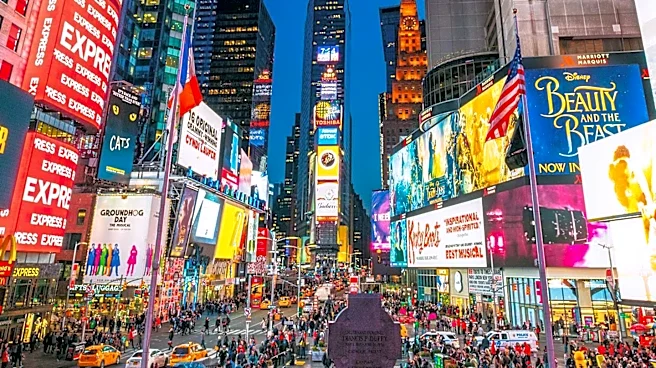







Billy Joel's sixth studio album, released in 1978, bears the evocative title "52nd Street," a direct reference to a specific street in Midtown Manhattan. This choice of title was far from arbitrary; 52nd Street held a rich cultural history, particularly as a vibrant hub for jazz musicians. From the challenging years of the Great Depression through the 1950s, this street was synonymous with the jazz scene, attracting talent and fostering a unique musical
atmosphere. Joel's decision to name his album after this iconic location not only paid homage to its legacy but also hinted at the album's fresh, jazz-influenced sound, a deliberate departure from his earlier works.
A Historic Jazz Landmark
For decades, 52nd Street was a legendary destination for jazz enthusiasts and performers. Its clubs and venues were stages for some of the most influential jazz artists of the era, creating a dynamic and innovative musical environment. This historical context provided a powerful backdrop for Joel's album, connecting his contemporary sound to a storied past. By invoking the name "52nd Street," Joel tapped into a collective memory of musical innovation and cultural significance, aligning his work with a tradition of artistic excellence and evolution.
The street's reputation as a jazz mecca was well-established, making it a potent symbol for an artist seeking to infuse his music with new influences. The album's title, therefore, served as more than just a geographical marker; it was a statement of artistic intent, signaling a sophisticated and musically adventurous direction for Billy Joel following his previous album, "The Stranger."
The Album's Physical Roots on 52nd Street
The connection between the album and its namesake street extended beyond mere inspiration; it was deeply rooted in the practicalities of its creation. At the time of the album's release, Billy Joel's record label, Columbia Records, was headquartered within the CBS Building, which was located on West 52nd Street. This meant that the administrative and business operations surrounding the album were literally situated on the very street it celebrated.
Furthermore, the actual recording of "52nd Street" took place at A&R Recording, a studio also conveniently located on 52nd Street. This physical proximity to the street during the album's production created a tangible link between the music and its urban muse. In a subtle nod to this connection, the studio's freight elevator even made an appearance on the album's cover, serving as a visual testament to the album's origins and its deep ties to this iconic Manhattan thoroughfare. This confluence of historical significance, artistic inspiration, and physical location made "52nd Street" an album truly born of its namesake.