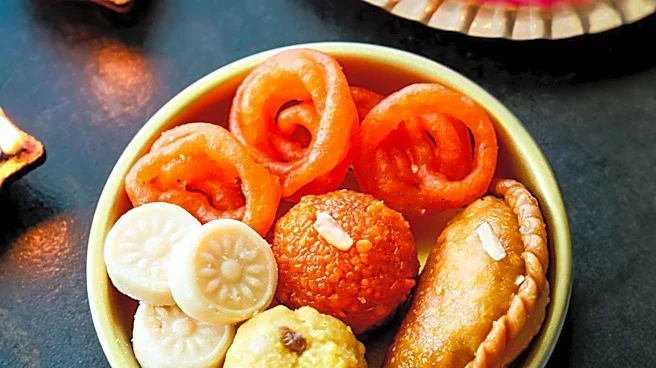



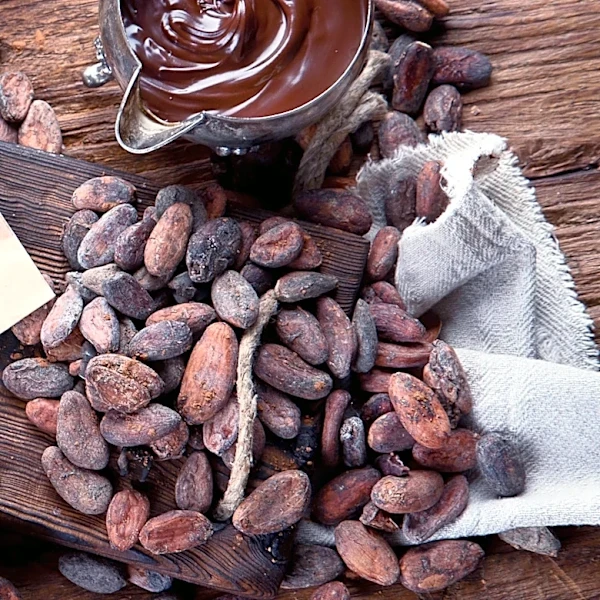






Food pairing, the art of combining foods that complement each other's flavors, is deeply rooted in cultural traditions and practices. While the scientific approach to food pairing based on shared chemical compounds has been debunked, cultural influences continue to shape the way we pair foods. Across different regions, traditional practices, availability of ingredients, and individual tastes play a significant role in determining which foods are paired
together.
Regional Influences on Food Pairing
Cultural traditions have a profound impact on food pairing practices, with each region developing its own unique combinations based on historical and regional factors. For example, the combination of tomato and basil is a common flavor pairing in some countries, reflecting the cultural significance and popularity of these ingredients in local cuisines. These pairings are often celebrated and passed down through generations, showcasing the rich tapestry of flavors that define a region's culinary identity.
In many cultures, food pairings are influenced by the availability of ingredients and the evolution of culinary traditions. Traditional practices often dictate which foods are paired together, resulting in classic combinations that are deeply rooted in cultural identity. These pairings are not only a reflection of the region's culinary heritage but also a testament to the creativity and adaptability of its people.
The Role of Individual Tastes
While cultural traditions play a significant role in food pairing practices, individual tastes also contribute to the diversity of flavor combinations. Personal preferences and experimentation often lead to the discovery of new and exciting pairings. Chefs and home cooks alike draw inspiration from both traditional practices and modern innovations, pushing the boundaries of culinary creativity.
The exploration of flavor combinations is a dynamic process, driven by a desire to create unique dining experiences. Chefs experiment with unconventional pairings, blending traditional ingredients with modern techniques to create dishes that surprise and delight the palate. This ongoing exploration of flavor is a testament to the dynamic nature of food pairing, highlighting the interplay between culture, creativity, and individual tastes.
The Future of Food Pairing
As culinary practices continue to evolve, food pairing remains a vibrant and ever-changing aspect of the culinary world. The interplay between cultural traditions, individual tastes, and modern innovations invites us to explore the endless possibilities of flavor combinations. While the scientific approach to food pairing may have faltered, the cultural and creative aspects of food pairing continue to thrive, offering a rich and diverse tapestry of flavors to explore.
In conclusion, cultural traditions and individual tastes play a significant role in shaping food pairing practices across different regions. These influences contribute to the diversity of flavor combinations, showcasing the rich culinary heritage and creativity of each culture. As we continue to explore the world of food pairing, we are reminded of the dynamic and ever-evolving nature of culinary practices.