



In August 2020, professional athletes across the United States initiated a series of strike actions, refusing to participate in scheduled sporting events. These unprecedented protests were a direct response to the police shooting of Jacob Blake in Kenosha, Wisconsin. The incident, which left Blake seriously injured, sparked widespread outrage and led to protests and riots in Kenosha and other locations. Athletes, leveraging their platforms, chose
to halt play to draw attention to issues of police brutality and racially motivated violence, aligning their actions with the broader Black Lives Matter movement.
The Catalyst: The Shooting of Jacob Blake
The immediate trigger for the 2020 athlete strikes was the police shooting of Jacob Blake on August 23, 2020. A video of the shooting quickly went viral, intensifying public outcry and reigniting discussions about racial injustice and police accountability. This event served as a critical turning point, prompting athletes to move beyond symbolic gestures and engage in more direct forms of protest by refusing to compete.
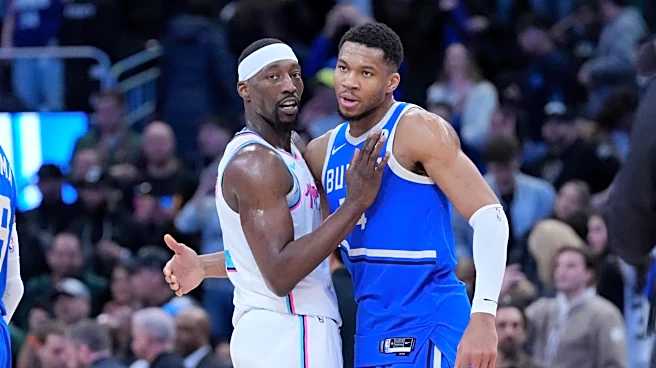
The Milwaukee Bucks of the National Basketball Association (NBA) were the first to take this decisive step. On August 26, they walked out of their first-round playoff game against the Orlando Magic. The team made the decision not to leave their locker room for the game, a powerful statement that reverberated across the sports world. Initially, there were reports that the Bucks would forfeit the contest, but the Orlando Magic did not accept the forfeiture, indicating a broader understanding and support for the Bucks' stance. Following this, the NBA and the National Basketball Players Association announced the postponement of all NBA games scheduled for that day, signaling the widespread impact of the Bucks' protest.
Spreading Across Leagues: A Unified Stand
The Milwaukee Bucks' action quickly inspired athletes in other professional sports leagues to follow suit, demonstrating a collective commitment to addressing social justice issues. The Toronto Raptors, another NBA team, had also discussed a walkout of their second-round playoff series with the Boston Celtics. Their frustration stemmed not only from Blake's shooting but also from a perceived lack of social or legislative change following the murder of George Floyd earlier that year, highlighting a sustained concern among athletes.
Beyond basketball, the protests extended to Major League Soccer (MLS). On August 26, MLS players staged walkouts from several games to emphasize racial injustice. As a result, the league canceled five of the six scheduled games for that day. The Women's National Basketball Association (WNBA) also saw significant action, with all six games scheduled for August 26 and 27 being postponed. These widespread cancellations across multiple leagues underscored the gravity of the athletes' message and their determination to use their collective power to advocate for change.
The Black Lives Matter Movement and Athlete Activism
The 2020 athlete strikes were deeply intertwined with the Black Lives Matter (BLM) movement, which advocates for non-violent civil disobedience to protest police brutality and racially motivated violence against Black people. This movement provided the organizational and ideological framework for many of the athletes' actions. The NBA, in particular, had already shown solidarity with BLM during its 2020 playoffs.
During the restarted 2019–20 season in July 2020, NBA courts displayed the Black Lives Matter logo. Furthermore, NBA players knelt during the national anthem, and each player wore a "Black Lives Matter" shirt, demonstrating a consistent and visible commitment to the movement's goals. The strikes in August represented an escalation of these efforts, moving from symbolic gestures to direct disruption of play, thereby amplifying their message and demanding greater attention to the urgent need for social and legislative change.
NFL's Response and Broader Impact
The National Football League (NFL) also saw responses to the shooting of Jacob Blake, though their actions took a slightly different form. On August 25, the Detroit Lions canceled their scheduled practice. The following day, August 27, nine NFL teams canceled their scheduled practices. While nineteen other NFL teams continued their practices, several of those that did not cancel issued statements about unity, indicating an awareness of the broader social climate. The Jacksonville Jaguars, for instance, decided to cancel their scheduled afternoon activities. These actions, whether through cancellations or statements, reflected the widespread impact of the protests and the growing pressure on sports organizations to address issues of racial justice.
The collective actions of athletes across these major American sports leagues in August 2020 marked a significant moment in the history of athlete activism. By striking, they not only disrupted the normal course of professional sports but also forced a national conversation about police brutality and racial inequality, demonstrating the powerful role athletes can play in advocating for social change.