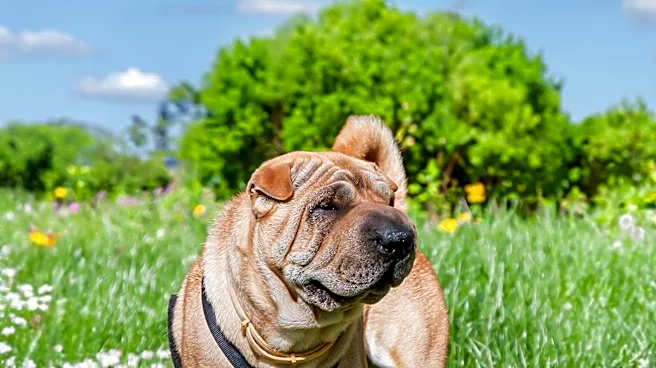



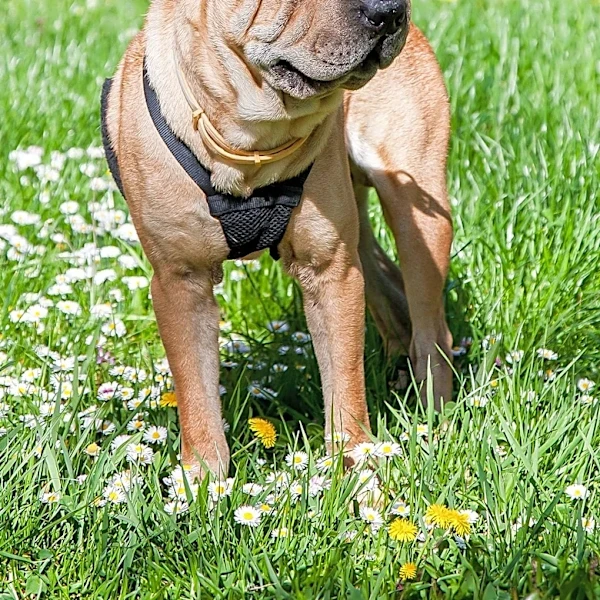



The Shar Pei is a fascinating breed with a rich history marked by significant changes in its physical traits and breeding practices. Known for its distinctive wrinkles, the Shar Pei has undergone various transformations over the years. This article delves into the evolution of the Shar Pei breed, highlighting key changes and the impact of breeding practices.
Early Characteristics and Development
The Shar Pei's early development is somewhat shrouded in mystery, with no definitive records
detailing its origins. However, it is believed to resemble ancient guard dogs from the Han dynasty, characterized by a less wrinkled appearance. These early dogs were valued for their protective nature, a trait that has persisted in the breed.
The breed's distinctive wrinkles, which are well-known in the West, were not always a defining feature. In Hong Kong, a traditional form of the Shar Pei with fewer wrinkles is maintained, showcasing the breed's diverse physical characteristics. This variation highlights the breed's adaptability and the influence of regional preferences on its development.
Changes in Breeding Practices
The 20th century brought significant changes to the Shar Pei breed, driven by political turmoil and near extinction. In the 1970s, the breed was close to disappearing, prompting efforts to save it. These efforts led to changes in breeding practices, with breeders in Hong Kong, Macau, and Taiwan crossing purebred Shar Peis with other breeds.
These crossings resulted in a dog with a fleshier mouth, known as the "meat-mouth" Shar Pei, contrasting with the original "bone-mouth" type. This change in physical traits was driven by demand in the United States, where the breed gained popularity. The meat-mouth type became the standard recognized by the American Kennel Club in 1992, reflecting the impact of breeding practices on the breed's evolution.
Modern Developments and Controversies
In recent years, the Shar Pei has continued to evolve, with some breeders focusing on creating a smaller version known as the "miniature Shar Pei." This development has sparked debate among enthusiasts, with concerns about maintaining the breed's traditional characteristics. The miniature Shar Pei is bred for its smaller size and increased wrinkles, showcasing the ongoing influence of breeding practices.
Despite these changes, efforts to preserve the traditional bone-mouth Shar Pei continue, with only a limited number remaining. The breed's evolution is a testament to the impact of breeding practices and the dedication of enthusiasts to maintain its integrity. The Shar Pei's journey from ancient guardian to modern icon reflects the dynamic nature of dog breeding and the breed's enduring appeal.