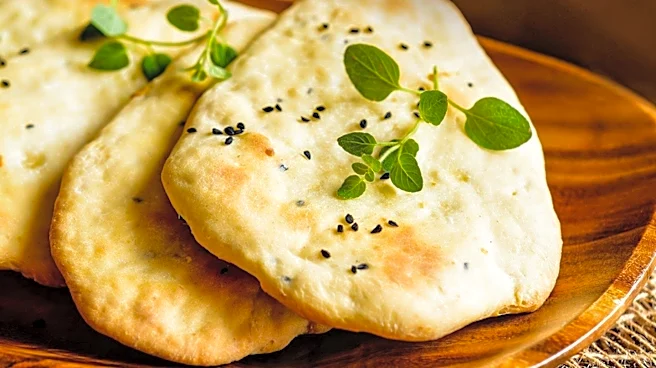


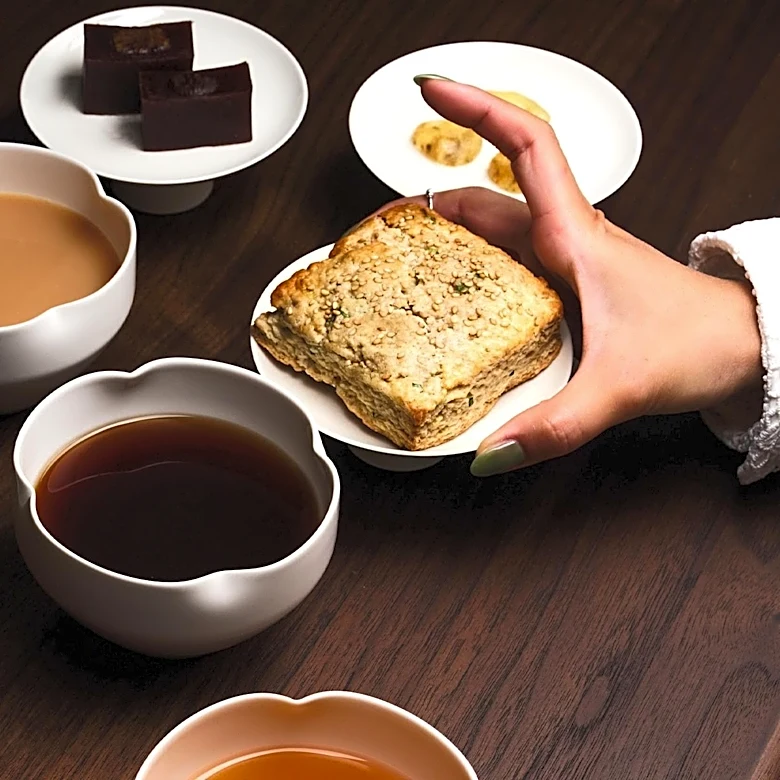




Naan, a beloved leavened flatbread, is celebrated for its distinctive light and fluffy texture, often adorned with golden-brown spots from the baking process. Its creation is a testament to traditional culinary techniques, involving specific ingredients and methods that contribute to its unique characteristics. Understanding the craft of naan involves delving into its core components, the science behind its leavening, and the various ways it is traditionally
and contemporarily prepared.
Essential Ingredients and Leavening
The foundation of naan lies in its simple yet effective ingredient list. Primarily, it is made from white or wheat flour. The choice of flour contributes to the bread's overall texture and flavor profile. A crucial element in naan's preparation is the leavening agent, which is typically yeast. This yeast plays a vital role in the dough's development, creating air pockets that are responsible for the bread's characteristic fluffy and soft texture. The interaction of yeast with the flour and other ingredients initiates fermentation, leading to the dough's rise.
Beyond flour and yeast, other key ingredients include warm water, which activates the yeast and helps form the dough, along with salt and ghee. Yogurt is also a common addition, contributing to the dough's tenderness and a subtle tang. For those looking to enhance the flavor or texture further, optional ingredients such as milk, egg, or honey can be incorporated. In situations where time is a constraint, baking powder or baking soda can be used as alternative leavening agents to expedite the preparation process, offering a quicker path to a similar, albeit slightly different, result.
Traditional Baking in the Tandoor
The most iconic method for baking naan is in a tandoor, a cylindrical clay oven. This traditional oven is capable of reaching exceptionally high temperatures, often soaring up to 900 degrees Fahrenheit (480 degrees Celsius). The process begins with the naan dough being rolled into individual balls, which are then flattened. These flattened dough pieces are skillfully pressed against the intensely hot inner walls of the tandoor. The extreme heat of the tandoor cooks the bread very quickly, typically within a few minutes.
This rapid baking process is what gives naan its signature golden-brown spots and slightly charred appearance, along with its light and airy interior. The direct contact with the hot surface and the radiant heat within the tandoor ensure even cooking and the development of its unique texture. The tandoor method is not just about cooking; it's an art form that requires precision and experience to achieve the perfect naan.
Alternative Baking Methods and Serving
While the tandoor is the traditional choice, naan can also be prepared using alternative methods, such as on a stovetop with a tava. A tava is a flat or slightly concave griddle. When baking on a tava, the dough is cooked on one side, and then the pan may be inverted or flipped upside down over a direct flame. This technique allows the bread's surface to brown and puff up, mimicking some of the effects of tandoor baking, though the flavor and texture might vary slightly from the traditional method.
Once baked, regardless of the method, naan is typically brushed with ghee or butter while still warm. This final touch adds richness and a glossy finish, enhancing its appeal. Naan is designed to be served warm and fresh, often accompanying a variety of dishes. Its soft and pliable nature makes it an excellent choice for scooping up sauces, stews, and curries, or for complementing dryer dishes like tandoori chicken, serving as a versatile and delicious component of a meal.