






Southern Chinese hot pot traditions stand in distinct contrast to their northern counterparts, characterized by a general preference for spicy broths, complex dipping sauces, and a heavier emphasis on seafood, vegetables, and mushrooms. This culinary approach reflects the rich agricultural and coastal resources of southern China, leading to a vibrant array of flavors and ingredients. While northern styles often prioritize the simplicity of meat, southern hot pots
delve into a more intricate tapestry of tastes, offering diners a dynamic and often fiery experience.
The Fiery Heart of Chongqing Hot Pot
One of the most celebrated Southern variations is the Chongqing hot pot, renowned for its bold and intense flavors. This style is defined by its "mala" seasoning, a potent combination of chili and Sichuan pepper that delivers both a spicy kick and a distinctive numbing sensation. Chongqing hot pots are typically abundant with a wide variety of meats and other ingredients, reflecting the region's diverse culinary landscape. To complement these rich flavors, diners are offered an extensive selection of sauces and condiments. A classic dipping sauce for Chongqing hot pot often consists of sesame oil mixed with freshly crushed garlic and finely chopped spring onions, providing a cooling and aromatic counterpoint to the spicy broth.Yunnan's Wild Mushroom Hot Pot
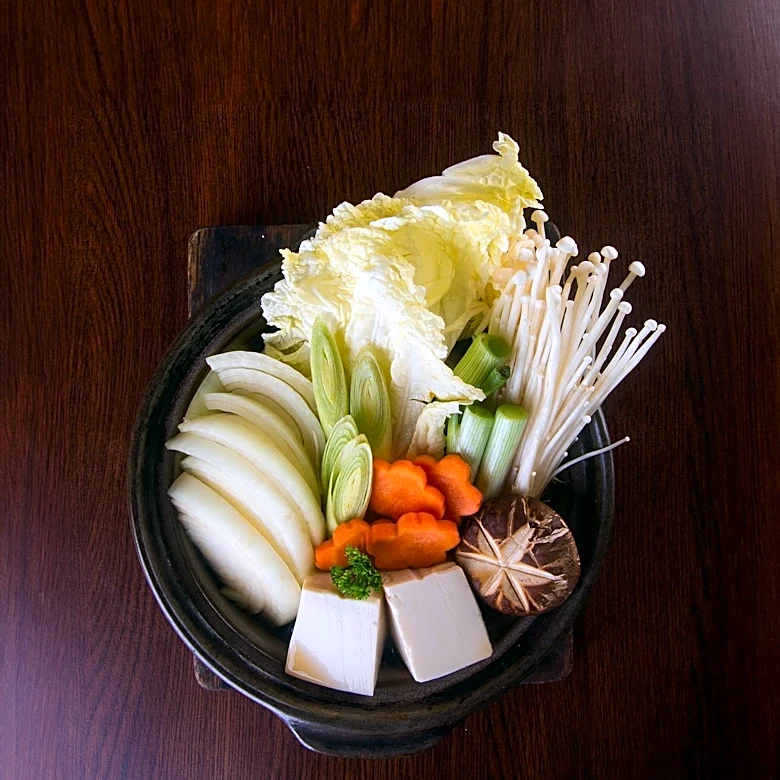
Moving southwest, Yunnan province offers a unique hot pot experience centered around its abundant natural resources: mushrooms. The wild mushroom hot pot is a predominant type in Yunnan, capitalizing on the vast forests and diverse edible fungi found in the region. This style distinguishes itself by omitting strong spices and chili, instead focusing on preserving the original, earthy flavors of the mushrooms. The popularity of this hot pot is directly linked to the easy accessibility of fresh, local mushrooms, making it a seasonal delicacy that changes with the availability of different fungi. This emphasis on natural, unadulterated flavors provides a stark contrast to the spicy profiles found elsewhere in the south.Coastal and Floral Influences
Southern China's diverse geography also brings coastal and floral influences to its hot pot traditions. In Hainan cuisine, hot pot is typically served in individual small woks, featuring a prepared broth that already contains pieces of meat. The meat is not fully cooked upon serving, requiring about fifteen minutes to finish cooking at the table. Common ingredients include mushrooms, thinly shaved beef or goat meat, lettuce, and other green vegetables, with coconut water and juice frequently added to the broth, lending a subtle sweetness and tropical aroma.Further north, in Jiangsu and Zhejiang cuisine, a delicate floral essence is introduced by cooking chrysanthemum flowers directly in the broth. This practice infuses the soup with a unique aroma and flavor, showcasing a refined approach to hot pot. Meanwhile, Cantonese hot pot offers a practical culinary theory: mixing a raw egg with condiments. According to Chinese herbalist theories, this is believed to reduce the "heat" absorbed by the food, potentially preventing a sore throat after the meal.