





The Perry Expedition marked a pivotal moment in the history of Japan and its relations with the United States. Led by Commodore Matthew C. Perry, the expedition aimed to open Japan to American trade and diplomacy, effectively ending Japan's 220-year-old policy of national seclusion. This mission was driven by a combination of economic interests and the desire to extend American influence in Asia. The expedition's success led to the signing of the Convention
of Kanagawa, which opened Japanese ports to American vessels and established formal diplomatic relations between the two nations.
The Arrival of the Black Ships
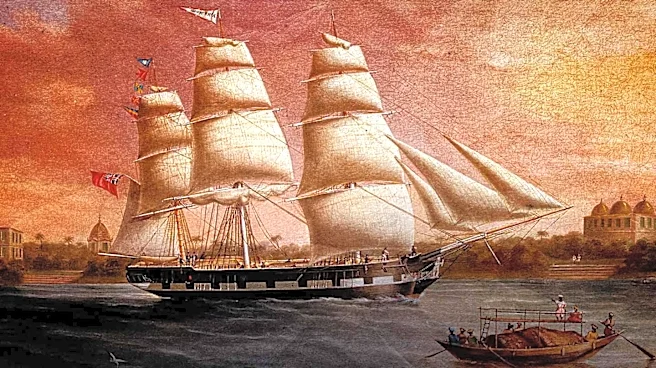
On July 8, 1853, Commodore Perry arrived at Uraga, at the entrance to Edo Bay, with a fleet of four warships. These ships, known as the Black Ships due to their imposing appearance, were equipped with advanced Paixhans shell guns capable of causing significant destruction. Perry's arrival was a calculated display of military might, intended to intimidate the Japanese and force them into negotiations. The sight of the steam-powered ships, belching black smoke, deeply frightened the Japanese, who had been isolated from such technological advancements.
Perry refused Japanese demands to proceed to Nagasaki, the designated port for foreign contact, and instead threatened to attack Edo, the nation's capital, if he was not allowed to land. This show of force was a key factor in persuading the Japanese to agree to negotiations. Perry's actions demonstrated the power of gunboat diplomacy, a strategy that relied on military intimidation to achieve diplomatic goals.
Negotiations and the Convention of Kanagawa
Following Perry's initial visit, the Japanese government was thrown into turmoil. The shogun, Tokugawa Ieyoshi, was incapacitated by illness, leaving the Council of Elders to handle the situation. Abe Masahiro, the senior rōjū, recognized that Japan could not resist American demands by military force and sought to legitimize any decision by polling the daimyōs for their opinions. This unprecedented public debate revealed the shogunate's indecisiveness and vulnerability.
Perry returned in February 1854 with an even larger fleet, making it clear that he would not leave until a treaty was signed. Negotiations began on March 8 and lasted for about a month. The Japanese eventually agreed to most of Perry's demands, leading to the signing of the Convention of Kanagawa on March 31, 1854. This treaty opened the ports of Shimoda and Hakodate to American vessels and established the position of an American consul in Japan.
The Aftermath and Legacy
The Perry Expedition had far-reaching consequences for Japan and its future. The opening of Japanese ports to American trade marked the end of the sakoku policy and paved the way for Japan's modernization. Within five years of the treaty, Japan signed similar agreements with other Western powers, further integrating into the global community.
The expedition also highlighted the growing disparity between Western military technology and Japanese feudal armies, prompting Japan to strengthen its coastal defenses. The sight of the Black Ships and the subsequent negotiations served as a wake-up call for Japan, leading to significant political and social changes. The Perry Expedition remains a key event in the history of Japanese-American relations, symbolizing the end of isolation and the beginning of a new era of international engagement.