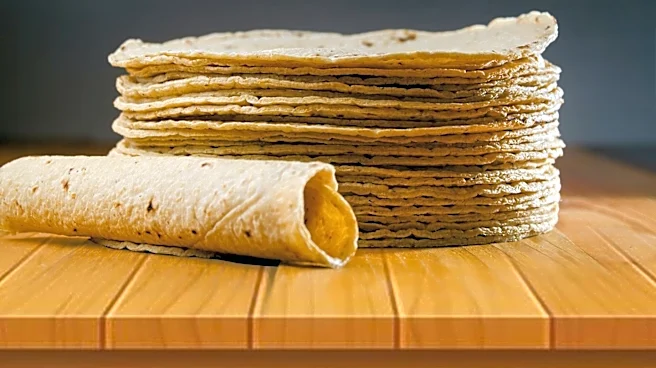










The tortilla, a thin, circular unleavened flatbread, holds a profound place in Mexican culture and cuisine, extending far beyond its simple form. Originally crafted from corn, and now also from wheat flour, it serves as a fundamental staple across much of Mexico and Central America. Its significance is so deep that it is considered a national symbol, embodying a unifier of the country's diverse races and classes. This versatile food item not only
forms the basis of countless dishes but also plays a crucial role in traditional preparations like tortilla soup, where its transformation adds a unique textural and flavorful dimension.
Cultural Symbolism and Historical Roots
The tortilla's cultural impact is extensive, often associated with corn and the imagery of rural farmers, particularly in Mexico. Artistic depictions, such as Diego Rivera's paintings "Tortilla Makers" and "The Grinder," idealize peasant women, further cementing the tortilla's status as a national symbol. Beyond art, the tortilla has even entered modern discourse, with the Mexico–United States border wall sometimes nicknamed the "Tortilla Wall," though this term has been perceived by some Hispanic people as an offensive stereotype. Its flat shape has also led to its use as a metaphor for flatness, as seen in the nickname "Gran Tortilla" for Mexico City's large Zócalo plaza.
Historically, the tortilla's roots run deep. In Nahuatl, the language of the ancient Aztecs and modern Nahuas, tortillas were called *tlaxcalli*. The ancient Maya used the word *cauhimich*, and contemporary Maya languages use *wah*, a broader term for various corn products. This long history is reflected in its continued presence in spiritual and ceremonial practices. On the Day of the Dead, tortillas are offered to the spirits of ancestors, and followers of the Maya religion also offer them to the dead, with the Tzotzil Maya using burnt tortillas. Some Maya communities believe that the flames of candles or incense transform into tortillas in heaven, and Maya Catholics even use tortillas and *atole* in place of bread and wine during the Eucharist, highlighting its sacred significance.
The Versatility of the Tortilla in Cuisine
The tortilla's adaptability is a cornerstone of Mexican gastronomy, allowing it to be used in a myriad of ways. Fresh tortillas serve as a convenient vehicle for various ingredients, forming popular dishes such as tacos, burritos, enchiladas, and quesadillas. They can also function as an edible spoon, used to pick up accompanying food, showcasing their practical utility in daily meals. Beyond these fresh applications, tortillas are transformed into other beloved items like fried tostadas and tortilla chips, demonstrating their capacity for diverse culinary roles.
Even stale tortillas find new life in Mexican kitchens, often sliced and incorporated into different preparations. This practice of repurposing ensures that no part of this valuable food goes to waste. For instance, chilaquiles are made from strips of tortilla covered in tomato sauce, illustrating another creative use. This inherent versatility underscores why the tortilla is not just a food item but a fundamental building block of Mexican culinary identity, capable of adapting to various forms and functions while retaining its core essence.
The Tortilla's Role in Tortilla Soup
Within the context of tortilla soup, the tortilla undergoes a specific transformation that is essential to the dish's character. For this traditional soup, tortillas are sliced and then fried, serving a purpose similar to croutons. These fried pieces are then submerged into the rich, flavorful broth, where they absorb the liquid while contributing a crucial textural contrast. The crispness of the fried tortilla against the warm, savory broth is a defining feature of tortilla soup, providing a satisfying crunch with every spoonful.
This particular application of the tortilla in soup highlights its ability to evolve from a simple flatbread into a dynamic ingredient that enhances a dish's complexity. The process of frying not only adds texture but also imparts a subtle toasted flavor that complements the other components of the soup, such as roasted tomatoes, onion, garlic, and chiles. Thus, the tortilla in tortilla soup is more than just an accompaniment; it is an integral part of the dish, showcasing its enduring legacy as a versatile and culturally significant food item in Mexican cuisine.