



Michael Bloomberg's entry into the 2020 Democratic presidential nomination race marked a significant moment, largely due to his unconventional campaign strategy. Declaring his candidacy on November 24, 2019, in Virginia and through a YouTube campaign spot, Bloomberg positioned himself as a "doer and a problem solver." A defining characteristic of his campaign was his commitment to self-financing, explicitly stating he would not accept donations. This
approach allowed for an unprecedented level of spending, particularly on advertising, as he aimed to quickly establish himself as a viable contender in a crowded field. His campaign ultimately concluded on March 4, 2020, following a disappointing performance on Super Tuesday.
The Unconventional Launch and Financial Strategy
Bloomberg's campaign began with a clear and distinct financial model: personal funding. This decision meant he would not engage in traditional fundraising efforts, freeing him from the need to solicit donations. This self-funded approach enabled his campaign to immediately launch an extensive television advertising campaign across approximately 100 markets within the Super Tuesday states. These states were crucial, as they were set to contribute about 40 percent of the total pledged delegates at the Democratic National Convention.
Beyond advertising, Bloomberg's financial commitment extended to voter registration efforts. His campaign allocated between $15 million and $20 million with the goal of registering half a million voters in five key battleground states. These were states that had swung to Donald Trump in the 2016 election, indicating a strategic focus on the general election even during the primary phase. This significant investment underscored the campaign's intent to build a robust infrastructure and influence the electoral landscape from the outset.
Super Tuesday and Campaign Suspension
The Super Tuesday primaries, held on March 3, 2020, proved to be a critical turning point for Bloomberg's campaign. Despite his substantial financial outlay and widespread advertising, his performance fell short of expectations. He secured a victory only in the territory of American Samoa, failing to win any of the 14 states holding Democratic primaries that day. Furthermore, he did not meet the 15% threshold required to proportionally receive delegates in several states, which significantly hampered his path to the nomination.
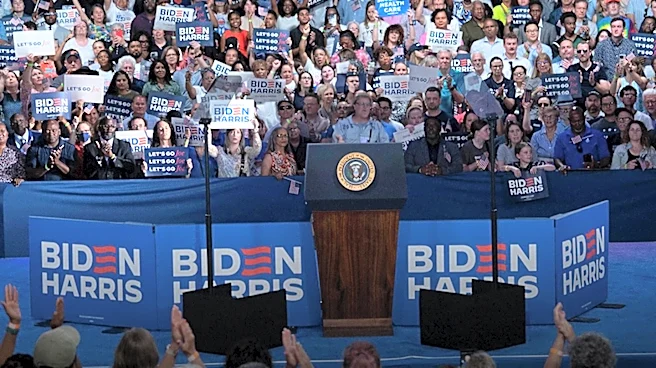
In response to these results, Bloomberg announced the suspension of his campaign on March 4, 2020. Following his withdrawal, he endorsed former Vice President Joe Biden for the Democratic nomination. Bloomberg also pledged to leverage his campaign infrastructure to support Biden's primary bid and, subsequently, the eventual Democratic nominee. This move indicated a pivot from his own presidential ambitions to supporting the broader Democratic effort to defeat the incumbent president.
Factors Contributing to Lack of Success
Several factors were attributed to Bloomberg's inability to connect with voters and secure significant support. His debate performances were frequently cited as a weakness, as he struggled to effectively counter criticisms and articulate his vision in direct confrontations with other candidates. Another significant hurdle was his past approval of the controversial "stop-and-frisk" policing policy during his tenure as Mayor of New York City. This policy drew considerable criticism, particularly from minority communities, and became a recurring point of contention during his campaign.
Additionally, allegations of a sexist working environment at his company, Bloomberg LP, surfaced and contributed to negative perceptions. These issues, combined with his late entry into the race and the established momentum of other candidates, ultimately undermined his well-funded effort to secure the Democratic presidential nomination.