








Texas Stadium, an iconic football-only venue located in Irving, Texas, played a significant role in the landscape of professional sports and the local community for nearly four decades. Built in 1971, it represented a new wave of stadium design following the AFL–NFL merger, emphasizing specialized facilities and enhanced fan experiences. Its history is intertwined with the Dallas Cowboys, serving as their home for the majority of its existence, and it left
an indelible mark before its eventual closure and demolition.
A New Era for Football
Constructed in 1971, Texas Stadium was a product of its time, designed specifically for the sport of football. It featured artificial turf, a modern innovation that was becoming increasingly common in sports venues. This focus on a single sport allowed for specialized design elements tailored to the needs of football teams and fans. The stadium was also notable for its proliferation of luxury boxes, a feature that became a standard in new sports facilities and a significant source of revenue. This design choice reflected a growing trend in professional sports to offer premium experiences to a segment of the fan base.
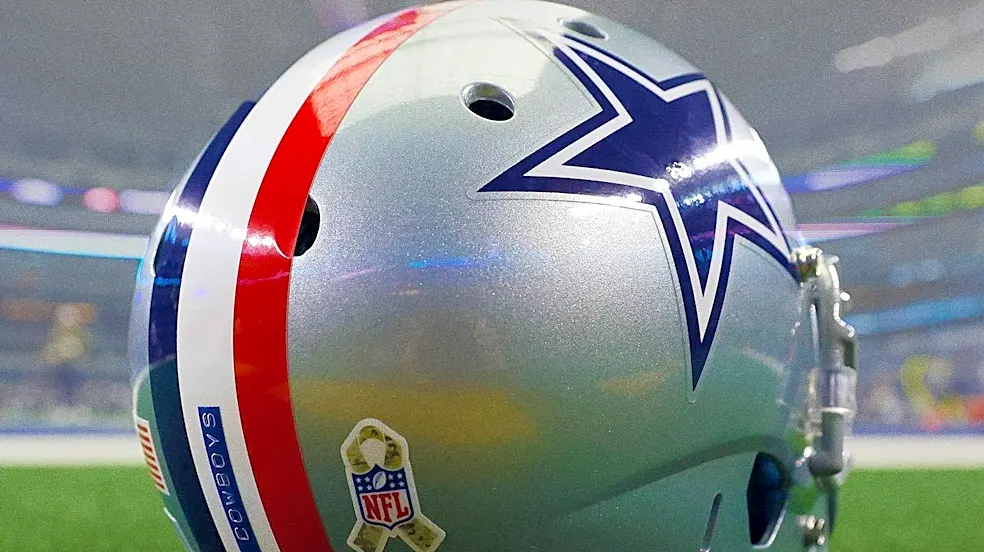
Texas Stadium quickly became the home of the Dallas Cowboys, a partnership that lasted from 1971 until 2008. During these years, the stadium witnessed countless memorable moments in NFL history, solidifying its place in the hearts of Cowboys fans. Its distinctive architecture, including the famous hole in the roof, made it instantly recognizable. While the roof could be covered by a retractable panel in its successor, AT&T Stadium, the original Texas Stadium's open roof was a defining characteristic.
Community Role and Event Hosting
Beyond its primary role as the home of the Dallas Cowboys, Texas Stadium also served the broader community in Irving and the surrounding Dallas-Fort Worth Metroplex. It provided a temporary home for two Dallas-area high schools, allowing them to utilize a professional-grade facility for their athletic programs. Additionally, the stadium regularly hosted high school football games, offering young athletes the unique experience of playing in a major league venue. This community engagement highlighted the stadium's importance beyond just professional sports.
The stadium's closure in 2008 marked the end of an era, and it was subsequently demolished in 2010. Its coordinates, 32°50′23″N 96°54′39″W, pinpoint its former location in Irving. The legacy of Texas Stadium, however, continued to influence subsequent stadium designs. Its successor, AT&T Stadium, incorporated elements that paid homage to its predecessor, such as the visual similarity of the roof from the inside, even with its retractable panel. The transition from Texas Stadium to AT&T Stadium reflects the ongoing evolution of sports architecture, driven by technological advancements and the desire for ever more sophisticated and versatile venues.