

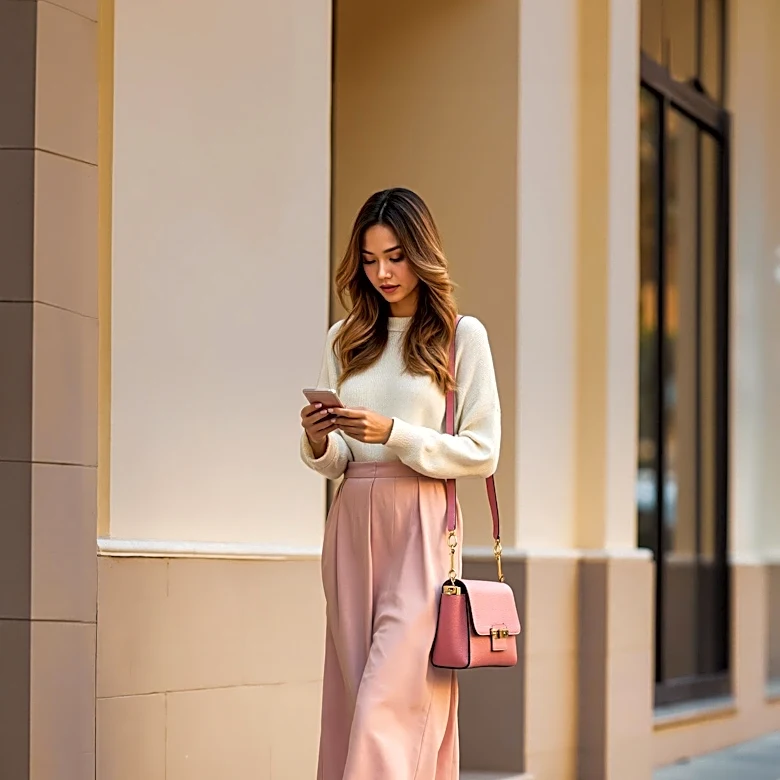



Culottes, a term with a rich and often confusing history, have played a significant role in the evolution of women's fashion, particularly in challenging societal norms and offering practical solutions for active lifestyles. While the word itself has roots in historical men's breeches, its application to women's clothing marks a distinct journey, often associated with breaking taboos and advocating for greater freedom of movement. From the Victorian
era's horseback riding attire to modern school uniforms, culottes have consistently represented a blend of style, practicality, and social commentary.
Victorian Era: Breaking Taboos with Horse-Riding Culottes
During the Victorian Era, spanning the mid-to-late nineteenth century, a notable development in women's fashion was the introduction of long split skirts, which were essentially early forms of culottes. These garments were specifically designed for horseback riding. Prior to this, women typically rode on side-saddles, a style that prioritized perceived modesty over safety. The split skirt allowed women to sit astride a horse, adopting a safer riding position similar to that used by men.
This innovation was not without controversy. Horse-riding culottes directly challenged a significant sexual taboo of the era: the expectation that women should always hide their lower limbs. By enabling women to straddle a horse, these garments implicitly defied the rigid modesty standards of the time, marking an early step towards more practical and less restrictive female attire. The shift from side-saddle to astride riding, facilitated by culottes, represented a quiet but powerful rebellion against conventional gender roles in public life.
Expanding Freedom: Beyond the Horseback
The utility of split skirts soon extended beyond equestrian activities. As women's roles in society began to broaden, there was a growing need for clothing that offered greater freedom of movement for various daily tasks. Later iterations of split skirts were developed to accommodate activities such as gardening, cleaning, and bike riding. The genius of these designs was their ability to provide the comfort and practicality of pants while still maintaining the visual appearance of a skirt.
This dual functionality allowed women to engage in more active pursuits without completely abandoning the prevailing aesthetic expectations of the time. The evolution of culottes in this period underscored a broader societal trend towards recognizing women's need for functional clothing that supported their increasing participation in diverse activities, moving away from purely ornamental or restrictive garments.
Modern Adaptations and Social Statements
By the 1960s, culottes continued to serve as a tool for women to navigate and sometimes defy social conventions. During this decade, some upscale restaurants maintained strict dress codes, refusing entry to women wearing pants, which were considered inappropriate by certain proprietors. For women who preferred not to wear the fashionable skirt styles of the time, culottes or palazzo pants offered a clever workaround.
These garments, with their skirt-like appearance, allowed women to circumvent the bans while still enjoying the comfort and style of trousers. This period highlighted culottes as a symbol of modern women's desire for autonomy in their fashion choices. More recently, culottes have found a place in school uniforms for girls, either alongside skirts or as a direct replacement, particularly in primary and middle schools. They were also part of the uniform for UK Brownie Guides and Girl Guides until recent modernizations, demonstrating their enduring role in providing practical and modest options for young women.