







Bathrobes are a staple in many households, known for their comfort and practicality. These loose-fitting garments are typically worn after bathing or around a pool, serving as both a towel and a body covering. While they are considered informal clothing, bathrobes have a specific design and function that make them unique. This article delves into the materials used in bathrobes and their construction, highlighting what makes them a preferred choice
for post-bathing comfort.
Materials and Fabrics
Bathrobes are primarily made from absorbent fabrics, which is a key feature that distinguishes them from other types of robes. The most common material used is toweling, a fabric known for its ability to absorb moisture effectively. This makes bathrobes ideal for wearing when the body is still wet, as they can help dry the skin while providing warmth and coverage. Other absorbent materials may also be used, but the primary goal is to ensure the fabric can serve the dual purpose of a towel and a garment.
The choice of fabric is crucial in the design of a bathrobe. The absorbency of the material directly impacts the robe's functionality, making it an essential consideration for manufacturers. By using materials that can quickly wick away moisture, bathrobes offer a practical solution for those looking to stay warm and dry after a bath or swim.
Design and Construction
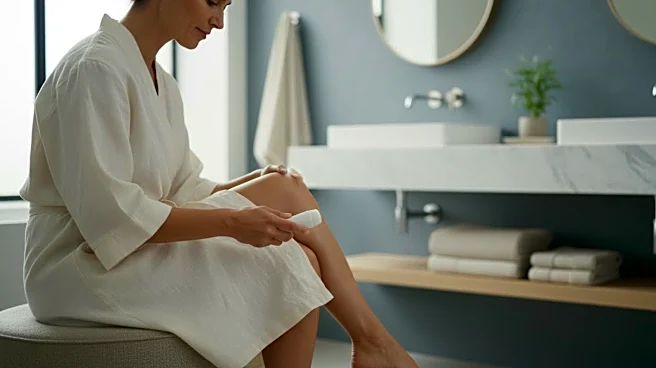
The typical design of a bathrobe includes a wrapped-front style with belt loops and a matching belt. This design allows the wearer to easily secure the robe around their waist, ensuring it stays in place while providing comfort and coverage. The belt is an integral part of the bathrobe's design, as it allows for adjustability and a snug fit.
Variations in bathrobe design can include differences in collar styles and closure methods. While some bathrobes feature an open front, others may have fastened closures instead of a belt. These design choices can affect the overall look and feel of the bathrobe, offering options for personal preference and style.
Practical Uses and Benefits
Bathrobes are not just about comfort; they also offer practical benefits. By combining the functions of a towel and a garment, bathrobes provide a convenient solution for those who want to dry off and stay warm without having to fully dress immediately. This makes them particularly useful in settings like pools or spas, where quick changes are often necessary.
The versatility of bathrobes extends beyond their use after bathing. They can also be worn as loungewear, providing a cozy option for relaxing at home. The combination of absorbent materials and thoughtful design makes bathrobes a practical and comfortable choice for a variety of situations, highlighting their enduring appeal in everyday life.