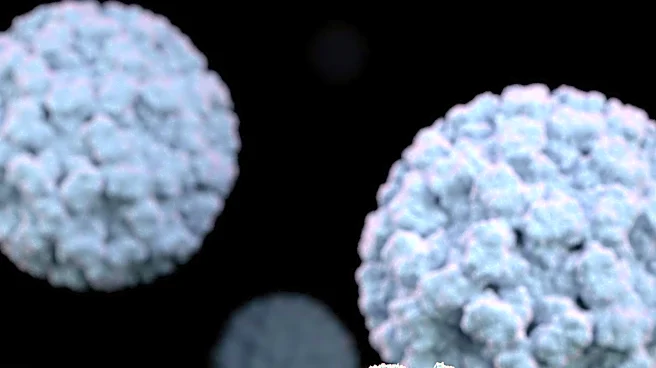









Benjamin Waterhouse is a significant figure in American medical history, primarily known for his pioneering work in introducing the smallpox vaccine to the United States. His efforts not only marked a turning point in the fight against this deadly disease but also showcased the potential of vaccination as a public health tool. This article delves into Waterhouse's contributions to the medical field, focusing on his work with the smallpox vaccine.
Early Medical Career and Education
Benjamin Waterhouse was born into a Quaker family in Rhode Island. His medical journey began at the young age of 16 when he apprenticed with a local doctor. This early exposure to medicine sparked a lifelong passion for the field. At 21, Waterhouse traveled to Europe to further his education, studying at prestigious institutions such as the University of Edinburgh Medical School and Leiden University in the Netherlands, where he earned his medical degree in 1780.
Upon returning to the United States in 1782, Waterhouse joined the faculty of the newly established Harvard Medical School as one of its founding professors. Alongside John Warren and Aaron Dexter, he taught the Theory and Practice of Physic. His academic career was complemented by his election as a Fellow at Rhode Island College, now known as Brown University, where he taught natural history.
Introduction of the Smallpox Vaccine
Waterhouse's most notable achievement was his introduction of the smallpox vaccine to the United States. Inspired by Edward Jenner's work with cowpox in England, Waterhouse saw the potential of vaccination to prevent smallpox, a disease that had devastated populations worldwide. He initially reached out to President John Adams to promote the vaccine but found little support. Undeterred, he wrote to Vice President Thomas Jefferson, who responded positively and later supported Waterhouse's efforts as President.
Waterhouse conducted the first vaccinations in the United States on his own children, demonstrating his confidence in the vaccine's safety and efficacy. He also organized a controlled experiment with the Boston Board of Health, where vaccinated and unvaccinated boys were exposed to the smallpox virus. The results were clear: the vaccinated boys were immune, while the unvaccinated ones contracted the disease.
Challenges and Legacy
Despite his success, Waterhouse faced challenges in his efforts to promote the vaccine. He attempted to maintain a monopoly over the cowpox vaccine to ensure its quality and protect it from misuse by incompetent or fraudulent practitioners. This decision, while controversial, underscored his commitment to public health.
Waterhouse's work laid the foundation for widespread vaccination efforts in the United States, significantly reducing the incidence of smallpox. His legacy is a testament to the power of scientific innovation and the importance of perseverance in the face of adversity. Through his efforts, Waterhouse not only saved countless lives but also paved the way for future advancements in vaccination and public health.