






The path to the ratification of the Twenty-sixth Amendment was not without its legal challenges and controversies. As the movement to lower the voting age gained momentum, it faced significant opposition and legal hurdles that needed to be addressed. These challenges highlighted the complexities of amending the Constitution and the differing views on youth suffrage.
The Supreme Court's Role
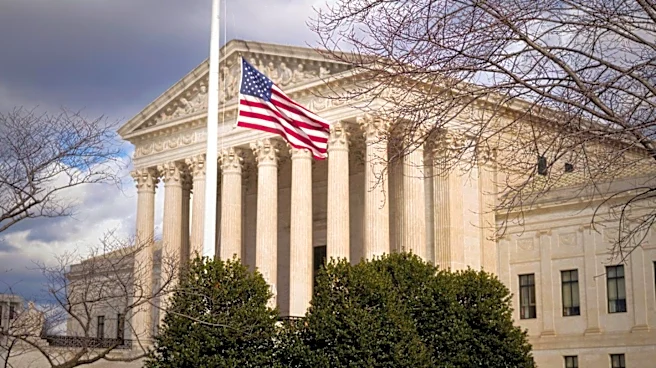
One of the key legal challenges in the push for the Twenty-sixth Amendment was the Supreme
Court's decision in Oregon v. Mitchell. In 1970, Congress attempted to lower the voting age to 18 through a provision in a bill extending the Voting Rights Act. However, the Supreme Court ruled that while Congress could lower the voting age for federal elections, it did not have the authority to do so for state and local elections.
This decision created a legal conundrum, as it meant that states could maintain different voting ages for federal and state elections, leading to potential confusion and administrative challenges. The ruling underscored the need for a constitutional amendment to establish a uniform voting age across all elections, prompting Congress to propose the Twenty-sixth Amendment.
Opposition and Debate
The movement to lower the voting age faced opposition from those who questioned the maturity and responsibility of 18-year-olds. Critics argued that young people lacked the experience and judgment necessary to make informed voting decisions. This debate was not new; similar arguments had been made during earlier efforts to lower the voting age during World War II.
Despite these concerns, proponents of the amendment argued that if 18-year-olds were old enough to be drafted into military service, they should also have the right to vote. This argument gained traction during the Vietnam War, as young men were being conscripted to fight without having a say in the political decisions that sent them to war.
The Path to Ratification
The legal and political challenges surrounding the Twenty-sixth Amendment ultimately led to its swift ratification. Recognizing the need for a consistent voting age, Congress proposed the amendment, and it was ratified by three-fourths of the states in just 100 days. This rapid ratification reflected the widespread recognition of the need for change and the growing influence of young voters.
The Twenty-sixth Amendment resolved the legal ambiguities created by the Supreme Court's decision and established 18 as the minimum voting age nationwide. Its ratification marked a significant victory for youth rights and set a precedent for future efforts to expand the electorate.
In summary, the journey to the Twenty-sixth Amendment was marked by legal challenges and debates over youth suffrage. Despite opposition, the amendment's ratification was a testament to the power of social movements and the importance of ensuring equal voting rights for all citizens.