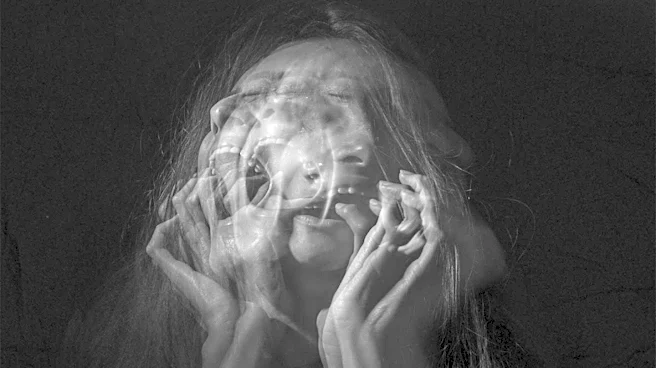



The trauma model of mental disorders, also known as the trauma model of psychopathology, offers a perspective that emphasizes the profound impact of physical, sexual, and psychological trauma as central causal factors in the development of various psychiatric conditions. This model suggests that disorders like depression, anxiety, and even psychosis can stem from traumatic experiences, whether these occur in childhood or adulthood. Rather than viewing
individuals as suffering from an inherent mental illness, this approach conceptualizes their symptoms as understandable reactions to traumatic events. It highlights that traumatic experiences are far more common and significant in their etiological role than has often been acknowledged in the context of mental disorder diagnoses.
Historical Foundations and Key Theories
The roots of the trauma model can be traced back to several influential psychoanalytic approaches. Sigmund Freud's early ideas concerning childhood sexual abuse and hysteria played a foundational role, suggesting a direct link between early traumatic experiences and later psychological distress. Pierre Janet's work on dissociation further contributed to this model, exploring how traumatic events can lead to a fragmentation of consciousness and identity. Additionally, John Bowlby's attachment theory, which examines the critical role of early relationships in psychological development, provides another pillar for the trauma model, emphasizing how disruptions or trauma within these early attachments can have lasting effects.
Significant research supports the strong connection between chronic maltreatment and severe neglect experienced in early life and the emergence of later psychological problems. These early experiences can shape an individual's development in ways that predispose them to various mental health challenges. The model gained further traction in the 1960s, becoming associated with humanist and anti-psychiatry movements, particularly in its efforts to understand schizophrenia and the crucial role of family dynamics in its development.
Trauma's Broad Impact and Criticisms of Orthodoxy
Trauma models underscore that individuals can be traumatized by a wide array of people, not exclusively family members. For instance, male victims of sexual abuse have reported experiencing abuse in institutional settings such as boarding schools, care homes, and sports clubs. This broadens the understanding of potential sources of trauma beyond the immediate family unit, highlighting the diverse environments where such damaging experiences can occur. The model thus brings to light the stressful and traumatic factors present in early attachment relationships and their subsequent influence on the development of mature interpersonal relationships.
Often presented as a counterpoint to conventional psychiatric orthodoxy, trauma models inform criticisms of mental health research and practice. These criticisms suggest that the field has become overly focused on genetics, neurochemistry, and medication, potentially overlooking the profound impact of lived traumatic experiences. By emphasizing trauma, these models advocate for a more holistic understanding of mental distress that considers an individual's life history and environmental factors.
Debates and Nuances in the Trauma Model
While the trauma model offers valuable insights, it has also faced critiques. Some critics, like August Piper, argue that the logic linking childhood trauma to insanity has a serious flaw: if this claim were universally true, the abuse of millions of children over the years should have resulted in a higher prevalence of mental disorders than current literature indicates. However, proponents of the trauma model counter this by pointing out the possibility of underdiagnosis and the fact that not every instance of abuse necessarily leads to lasting trauma.
Other critics, particularly those advocating for behavior family therapy, have viewed trauma models as potentially "parent-blaming." They emphasize that families often serve as the primary, and sometimes only, source of support for individuals diagnosed with severe mental illness. Lucy Johnstone has highlighted a perceived inconsistency in some critics' positions, noting that they may advocate for family interventions for adult psychiatric patients while simultaneously asserting that childhood experiences are not causal in mental illness, as if family members can only have a helpful or damaging impact on their adult children. In response to Piper's assertion, it has been noted that trauma is often more significant when inflicted by individuals to whom young human beings are emotionally bonded, and that abuse is frequently intertwined with other forms of neglect and confusing behaviors from caregivers. For example, conditions of external danger like wars or disasters, or even extreme poverty and physical illness, do not necessarily lead to schizophrenia unless they have psychological ramifications that harm an individual's sense of self. Homes broken by death, divorce, or desertion may even be less destructive than homes where both parents are present but constantly undermine a child's self-conception.