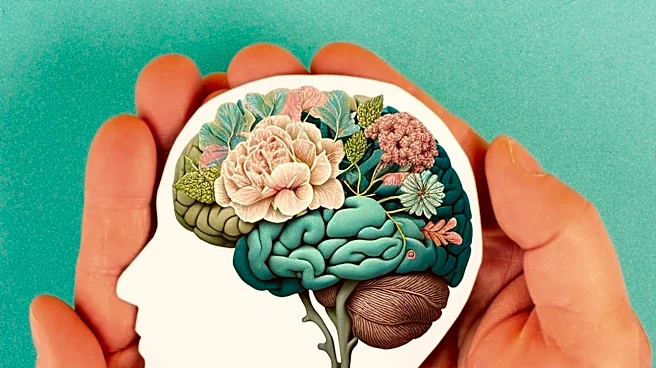




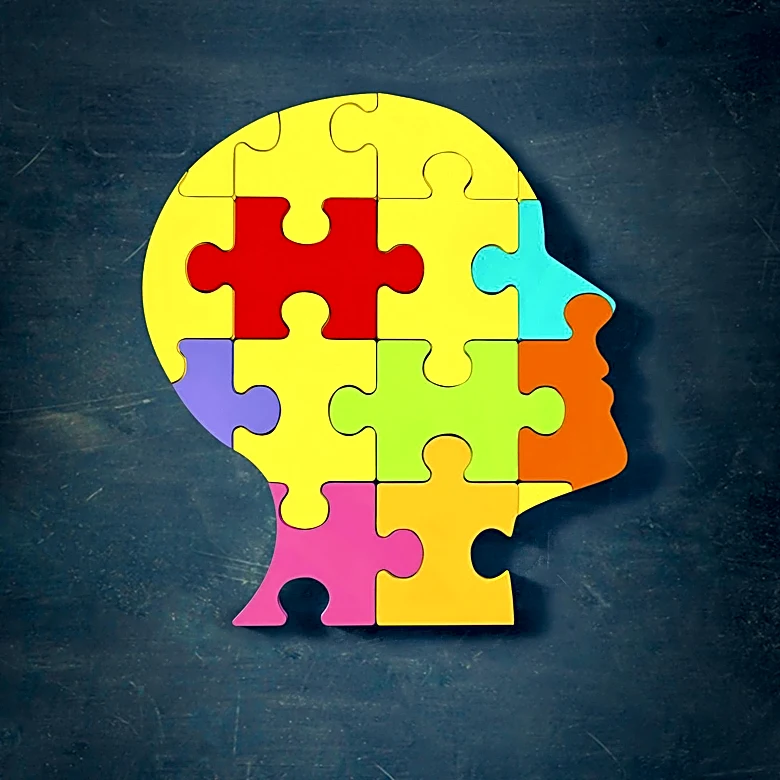


Self-esteem is a fundamental aspect of human psychology, influencing how individuals perceive themselves and interact with the world. It encompasses beliefs about one's worth and abilities, affecting emotional states such as pride and shame. Understanding self-esteem is crucial as it plays a significant role in mental health, social interactions, and personal development. This article delves into the psychological implications of self-esteem, its
impact on behavior, and its importance in achieving personal growth.
Self-Esteem and Mental Health
Self-esteem is closely linked to mental health, with high self-esteem often associated with positive outcomes. Individuals with high self-esteem tend to experience greater happiness, academic achievement, and relationship satisfaction. They are also less likely to engage in criminal behavior. This positive self-regard fosters improved mental and physical health, reducing the likelihood of anxiety and loneliness. Conversely, low self-esteem can lead to increased vulnerability to mental health issues such as depression and substance abuse. It is essential to recognize the role of self-esteem in mental well-being to address these challenges effectively.
Theories such as Terror Management Theory suggest that self-esteem serves a protective function, reducing anxiety about life and death. By maintaining a positive self-image, individuals can better cope with existential fears and uncertainties. This highlights the importance of fostering self-esteem as a means of promoting mental resilience and stability.
Self-Esteem and Social Interactions
Self-esteem significantly influences social interactions and relationships. People with high self-esteem are more likely to engage in positive social behaviors, such as volunteering and participating in leadership programs. These activities not only enhance self-esteem but also contribute to overall mental well-being. The positive association between self-esteem and social engagement underscores the importance of creating environments that support and nurture self-worth.
Moreover, self-esteem affects how individuals perceive and respond to social acceptance and rejection. The sociometer theory posits that self-esteem evolved to monitor one's social standing and acceptance within a group. This evolutionary perspective suggests that maintaining high self-esteem is crucial for social survival and success. By understanding the social functions of self-esteem, individuals can better navigate interpersonal relationships and foster a sense of belonging.
Self-Esteem and Personal Growth
Self-esteem is a driving force behind personal growth and self-actualization. According to Abraham Maslow's hierarchy of needs, self-esteem is a fundamental requirement for achieving self-actualization. Without fulfilling the need for self-esteem, individuals may struggle to reach their full potential. High self-esteem encourages individuals to pursue their goals with confidence and resilience, leading to personal and professional success.
Furthermore, self-esteem influences how individuals perceive and evaluate themselves. It encompasses both trait self-esteem, an enduring personality characteristic, and state self-esteem, which can fluctuate based on circumstances. By cultivating a healthy sense of self-worth, individuals can enhance their ability to cope with challenges and embrace opportunities for growth. Understanding the role of self-esteem in personal development is essential for fostering a fulfilling and meaningful life.