







Offset printing is a complex yet fascinating process that plays a crucial role in the production of printed materials. This article provides a detailed look at the offset printing process, including its components and variations, to help readers understand how this technique works.
The Printing Technique
Offset printing, also known as offset lithography, involves transferring an inked image from a plate to a rubber blanket and then to the printing surface. The process relies
on the repulsion of oil and water, using a flat image carrier. Ink rollers transfer ink to the image areas, while a water roller applies a water-based film to the non-image areas, ensuring precise ink application.
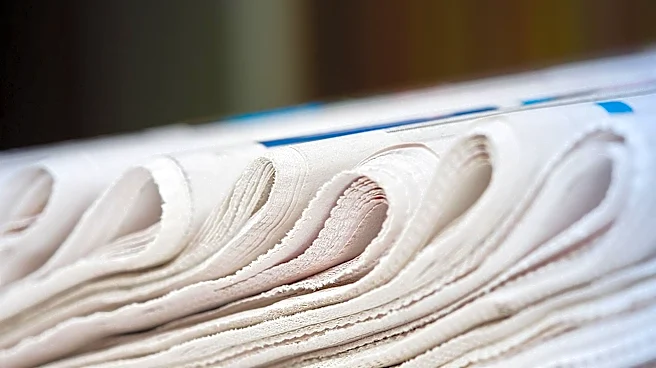
The modern "web" process feeds a large reel of paper through a press machine, printing continuously as the paper is fed through. This method is ideal for high-speed, automated printing, making it suitable for large-scale production of newspapers, magazines, and catalogs.
Components of Offset Printing
The offset printing process consists of several key components, including the feeder system, printing-inking system, and delivery system. The feeder system ensures that paper runs through the press correctly, while the printing-inking system uses rollers to deliver ink to the plate and blanket cylinders for transfer to the substrate.
The delivery system is the final destination in the printing process, where the paper is stacked for the ink to cure properly. Sheets are inspected to ensure proper ink density and registration, maintaining the quality of the printed material.
Offset printing also involves the use of specialized inks with unique chemical and physical properties. These inks must exhibit water resistance, tack, and viscosity to function effectively in the offset lithographic process. The inks are designed to resist emulsification when exposed to the fountain solution, ensuring print quality.
Variations in Offset Printing
Several variations of the offset printing process exist, each with its own unique characteristics. Blanket-to-blanket printing involves printing both sides of a sheet simultaneously, while blanket-to-steel printing uses precise plate and cylinder pressures for optimal ink transfer.
Keyless offset printing removes residual inks on the inking drum after each revolution, using fresh ink for each cycle. This method is particularly suitable for newspaper printing, offering improved efficiency and print quality.
Dry offset printing uses a metal-backed photopolymer relief plate, transferring ink to a rubber blanket before reaching the substrate. This method is used for printing on injection-molded rigid plastic items, such as buckets and cups.
Understanding the offset printing process and its variations provides insight into the complexities and capabilities of this widely used technique. Its ability to produce high-quality prints efficiently makes it a cornerstone of the printing industry.