




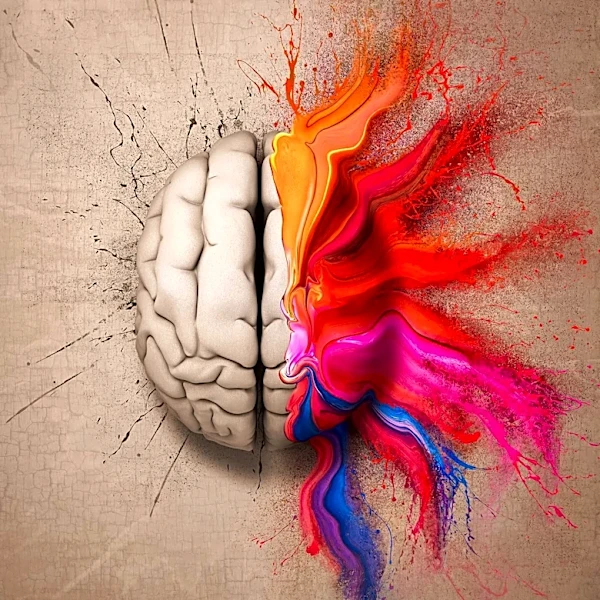



Emotional competence is a crucial aspect of human functioning, often used interchangeably with emotional intelligence. It refers to the essential set of personal and social skills that enable individuals to recognize, interpret, and respond constructively to emotions, both within themselves and in others. This capability is not merely about feeling emotions but about effectively managing and utilizing them to navigate social environments and achieve
personal goals. It implies a certain ease in interacting with others and significantly influences one's ability to lead and express themselves effectively and successfully.
Defining and Describing Emotional Competence
Psychologists define emotional competence as the ability to monitor one's own and others' feelings and emotions, and to use this information to guide one's thinking and actions. It describes a person's capacity to express their emotions freely and appropriately, stemming directly from their emotional intelligence—the ability to recognize emotions in the first place. An individual's emotional competence is considered a significant predictor of their adaptability to their environment. This adaptability primarily involves their ability to identify, understand, express, regulate, and effectively use their own and others' emotions.Emotional competence is frequently discussed in social contexts, where it is seen as the capacity to recognize one's own emotions, as well as those of others, and to express them in socially acceptable ways. The level of skill at which a person interacts constructively with others is rooted in their perception of their emotions, an understanding of how these emotions affect others, and the ability to maintain control and adapt their emotional responses. This personal emotional capacity is fundamental for healthy interpersonal relationships and effective social functioning.
The Development and Importance of Emotional Competence
Unlike innate abilities, emotional competencies are believed to be cultivated and developed over time, particularly through interactions with others. Carolyn Saarni, in her 1999 book *The Development of Emotional Competence*, posited that these abilities are not inherent but are nurtured through a child's engagement with family members and peers. Saarni defined emotional capacity as the functional ability of humans to achieve goals after experiencing an emotion-eliciting encounter. She viewed emotion as a component of self-efficacy and described the use of emotions as a set of skills that contribute to the development of this capacity.Building emotional competence is also a practical strategy for dealing with challenging social dynamics. It can help individuals learn to handle manipulative or passive-aggressive behavior, where one person might exploit another's feelings to get what they want. By enhancing emotional competence, individuals can better understand these dynamics and respond in ways that protect their own well-being and promote healthier interactions. This continuous development of emotional skills is essential for personal growth and for fostering more harmonious relationships in various aspects of life.