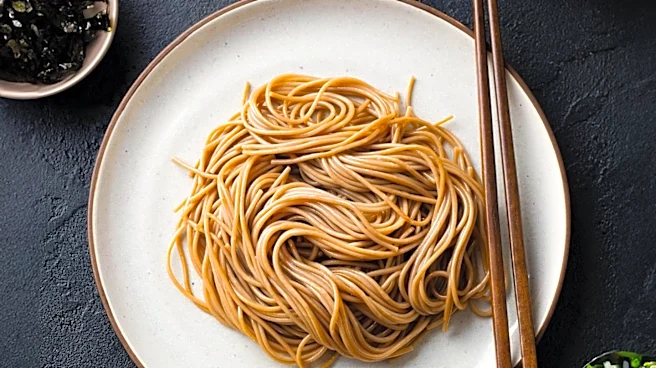









Soba noodles have a rich history in Japan, evolving from a simple food item to a cultural staple. Originating from buckwheat flour, soba has undergone significant transformations over the centuries, adapting to regional preferences and modern culinary trends. This article explores the historical journey of soba noodles and their enduring presence in Japanese cuisine.
Early Beginnings and Historical Development
The history of soba noodles dates back to the 16th century when buckwheat began to be processed
into thin noodles. Initially known as soba-kiri, meaning 'buckwheat slices,' these noodles were primarily consumed in eastern Japan. The term 'soba' itself is derived from 'soba-mugi,' which means 'edgy wheat,' reflecting the buckwheat plant's resilience.
During the Edo period, soba gained popularity as a staple food, particularly in urban areas like Tokyo. Its ability to be quickly prepared and served made it a favorite among city dwellers. The development of soba coincided with the growth of soba shops, which became common in cities, offering a quick and affordable meal option.
Regional Variations and Adaptations
As soba spread across Japan, regional variations began to emerge, each with its unique characteristics. In Okinawa, for instance, soba is made from wheat flour rather than buckwheat, resulting in a noodle that resembles udon in texture. This adaptation reflects the local ingredients and culinary preferences of the region.
Another notable variation is wanko soba, originating from Iwate Prefecture. This style involves serving small portions of soba in rapid succession, creating a unique dining experience. Such regional adaptations highlight the versatility of soba and its ability to cater to diverse tastes.
Modern Influence and Global Reach
In contemporary times, soba has continued to evolve, influenced by global culinary trends. The introduction of yakisoba, a stir-fried noodle dish using Chinese-style wheat noodles, showcases the fusion of Japanese and international flavors. This modern adaptation has become a popular street food, further cementing soba's place in Japanese cuisine.
The global reach of soba is evident in its presence in international markets, where it is appreciated for its health benefits and unique taste. The export of dried soba noodles has made it accessible to a wider audience, allowing people worldwide to enjoy this traditional Japanese dish.
Overall, the evolution of soba noodles reflects the dynamic nature of Japanese cuisine, where tradition meets innovation. From its humble beginnings to its modern adaptations, soba continues to be a beloved and integral part of Japan's culinary heritage.